The Real Deal on HOA Fees in Hallsville, MO
So, what numbers are we talking about? Around town right now:
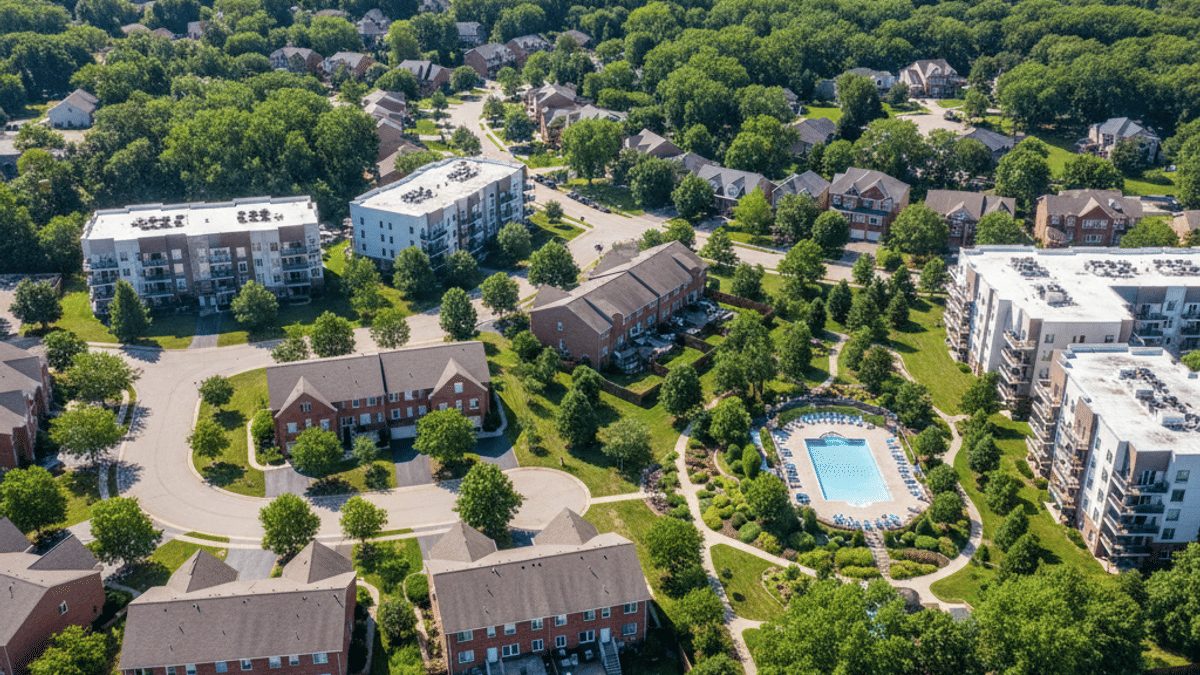
- Condo associations land anywhere from $160 to $350 a month.
- Townhome pockets hover around $90 to $250.
- Gated single-family neighborhoods jump from $45 to $125, sometimes more if the gate comes with a pool crew and lawn crews.
Those ranges only hint at the story. A tidy two-bed condo near downtown Hallsville might sit at $180 because the exterior is brick, landscaping is minimal, and there’s no elevator to babysit. Cross the street to a five-story elevator building with underground parking and suddenly you’re at $320. Same zip, wildly different fee needs.
What the check actually covers:
- Exterior upkeep, paint and siding.
- Common-area power bills, water for irrigation, hallway lights.
- A slice of blanket insurance, usually called the “master policy.”
- Lawn care, snow pushing, leaf blowing when the wind gets feisty.
- A rainy-day reserve fund, at least in theory.
- Maybe goodies like the pool, tiny gym, dog station, coded gate.
Sounds solid, right? Here’s the rub. The governing documents might swear the fee “includes” roof replacement. Yet when the shingles finally cough up, owners still fork out an “emergency special assessment.” because the reserve sat empty. On paper, included. In practice, out of pocket.
Fees never sit still either. Insurance premiums have spiked across Missouri over the past five years, and Hallsville is not immune. When the association’s renewal jumps twenty percent, owners feel it. Same thing after a freeze cracks sprinkler lines or a windstorm takes out siding. The budget adjusts, your payment inches up, sometimes fast.
Locals grumble about two things more than anything: surprise assessments and poor communication. Touchy topics that deserve their own section, coming up soon.
Decoding Good Fees Versus Scary Fees
A good fee is boring. It rises slowly, matches a clear budget, and funds a reserve that could handle a new roof tomorrow without begging owners for donations.
Signs you’re staring at a healthy number:
- Reserves sit near or above 70 percent of recommended targets set by the last engineering study.
- Annual increases track inflation, maybe three to five percent, nothing crazier.
- Meeting minutes show projects completed on schedule, with bids competitively shopped.
Scary fees advertise low, then pounce. Maybe the monthly looks friendly at $110, but zoom into the last audit and you’ll see reserves underfunded at only 12 percent. That shortfall equals a ticking bill. When the parking lot crumbles or the elevator coughs, the board sends out a four-figure assessment letter.
Age and management style feed the beast. A 1980s community on its third roofing cycle will cost more to keep shiny than a 2015 build with modern materials. Good management firms budget ahead, chase delinquent owners quickly, and re-bid vendor contracts every couple of years. Weak managers let bills ride, skip preventive maintenance, then widen eyes at the next emergency.
How do you read all this before you buy? Crack open the full budget, not just the one-page summary. Scan the expense lines. Lawn, insurance, pools, roofs, elevator maintenance, gate service, pest control, admin fees. Compare that to income — mostly your fees plus any fines or clubhouse rentals. If income barely tops expenses, reserves are likely starving. Ask for the most recent reserve study, note its “percent funded,” and ask what plan the board has to close the gap. If they shrug, well, you’ve got your answer.
Navigating Common HOA Hurdles
Let’s walk through the stuff that blindsides first-time HOA owners.
Special assessments
The granddaddy of wallet drainers. Boards levy these lump-sum calls when reserves can’t cover a project. Roof leaks, storm damage, mold remediation in hallways — pick your poison. I’ve seen Hallsville condo owners cut checks for $2,500 each with two weeks’ notice. Brutal, yet legal if the bylaws allow.
Rule enforcement
One block over, the HOA paints mailbox posts every spring. Skip it and you get a notice, skip the notice and you get a fine, skip the fine and it rolls onto your ledger at closing. Some associations run loose, others mail violation photos like clockwork. Neither style is wrong, but you need to know your tolerance level.
Confusing documents
CC&Rs, bylaws, rules and regs — you could stack them like firewood. The issue isn’t length, it’s clarity. Does “pets under 30 pounds” mean combined weight or per animal? Are rentals capped at 25 percent of units and does yours push the cap? Read the fine print or hire an attorney who will.
Insurance drama
Missouri weather can get rowdy. Hail plus roofing claims plus statewide carrier losses equal higher premiums. Boards rarely budget big hikes, so they scramble mid-year and pass the difference to owners. Ask how big last year’s premium jump was. If it was ten percent or more, dig deeper.
Maintenance delays
Nothing erodes morale like a broken gate stuck open for three months because the board can’t decide on a vendor. Slow fixes stem from cash shortages or micro-politics. Either way, you, the owner, still pay full freight.
Meeting theatrics
HOA meetings in Hallsville can feel like hometown politics. One faction pushes for pool resurfacing; another insists on cutting points for landscaping. Expect voices to rise. Healthy debate is fine; stalemates delay projects and ramp up costs. Review the last two sets of minutes. Repeated arguments over the same topic, no vote taken? Red flag.
Smart Buyer Strategies
Step one, ask for everything. Sellers often hand over only the summary budget and a rules packet. Push harder.
Documents to see:
- Full operating budget, line by line.
- Latest reserve study plus the schedule to reach target funding.
- Insurance declaration, especially limits and deductible.
- Last two years of board meeting minutes and annual meeting notes.
- Current vendor contracts, roofing, pool care, landscaping.
- Statement of owner delinquencies, percentage not names.
Questions to fire off:
- What projects are on deck in the next three years?
- How fast have dues risen over the past five?
- Any open litigation with contractors or previous owners?
- How many units are behind on dues? More than five percent? That can wreck loan approvals.
- When was the last appraisal of replacement costs for insurance?
Sanity-check the amenities. A simple subdivision gate plus quarterly landscaping might justify $65 a month. A heated pool, clubhouse Wi-Fi, 24-hour gym, playground mulch refresh, community newsletter design, that pushes numbers up. Make sure you will genuinely use what you pay for. Paying $80 extra each month to keep a pool sparkling when you hate swimming? Might not feel great by February.
Spot the biggest red flags early:
- Reserves under 25 percent funded.
- Multiple special assessments in the last decade.
- Siding or roofs in visible decline with no project dates set.
- Insurance deductibles so high a moderate claim comes straight from reserves.
- High investor ownership — when more than half the units are rentals, boards sometimes struggle to reach quorum and lender approval can get sticky.
HOA Living Versus the DIY Route
Whenever the monthly dues number scares buyers, I ask them to tally the real cost of living outside an HOA. Let’s break it down.
Roof and siding
Average shingle replacement on a Hallsville three-bed home runs $9,000 to $13,000 every 18-22 years. Divide that by 12 months and its lifetime cost equals roughly $40-$50 per month, more if material prices leap.
Exterior paint or vinyl wash
Maybe $1,500 every eight years. Another ten bucks a month on average.
Lawn, snow, leaves
If you pay a service, think $120 per month for four seasons of mowing and one big leaf removal, plus $200 for two snow pushes in a typical Missouri winter. The HOA fee that feels steep might already include all of that.
Pooled insurance
Condo master policies step in on everything outside your studs. True standalone homeowners insurance on the open market often runs higher because you’re not splitting the risk. Factor that into the comparison.
Then add the value of time. Knocking ice off gutters Friday at 6 a.m., calling roofers during lunch breaks, chasing squirrel invasions — some owners happily trade those chores for a consistent payment and a single point of contact.
Still, autonomy has perks. Paint your door purple. Plant tomato vines all along the fence. No board approval, no neighbor committee. If creative freedom lifts your spirit, the fee, the rules, the meeting schedule might feel heavy.
Ask yourself a blunt question: Would I rather write one budget-friendly check and let a board steer the ship, or handle exterior surprises alone? There is no universal right answer.
Ready to Decide?
Hallsville’s HOA fees range wide, and so does the quality hiding behind them. A well-run $275 condo fee can be a bargain, a shaky $80 single-family fee can be a money pit in disguise. The only way to know is by pulling the documents, asking the pushy questions, and reading more than the first page.
Do that groundwork now, and you’ll sidestep the panic letters, the midnight roof leaks no one budgeted for, the political showdowns at the clubhouse. You’ll walk in with eyes open, checkbook ready, and zero illusions.
That’s how you turn “hoa fees Hallsville” from a Google search into a confident purchase — and maybe even a fee you’ll brag about at the next backyard cookout.