Trying to pin down the “right” month to jump into the Holts Summit market can feel like chasing fireflies. Just when you think you have a glowing answer, another light blinks somewhere else. I’ve watched this town’s listings climb, stall, surge, and stall again since before the big box store came to town, and the old rules never quite fit. What follows is the on-the-ground playbook I give friends who corner me at the ballfield or the grocery aisle. Use it, question it, tweak it. But whatever you do, keep your eyes open wider than the calendar.
What the Calendar Actually Feels Like in Holts Summit
A quick pulse check. At any given moment we’re talking maybe 80 to 100 active listings, which means every new sign has an outsized impact on supply. Toss in mortgage rates that bob like a fishing cork, and buyers or sellers can feel that change within a week.
Still, patterns show up:
Spring promises the biggest burst of inventory and foot traffic.
Summer keeps the momentum but slips in more emotion-driven offers.
Fall slows showings yet rewards the patient.
Winter trades buzz for leverage.
None of those lines alone tell the whole story, so let’s crack them open.
Spring: Listings Pop, Buyers Swarm
By late March, fresh mulch appears around For-Sale signs. Sellers who waited out winter hit the market first two weeks of April. Early spring brings the broadest choice of homes—from tidy ranches on Oak Street to five-acre spreads north of town. That choice attracts commuters from Jefferson City and Columbia, meaning competition spikes fast.
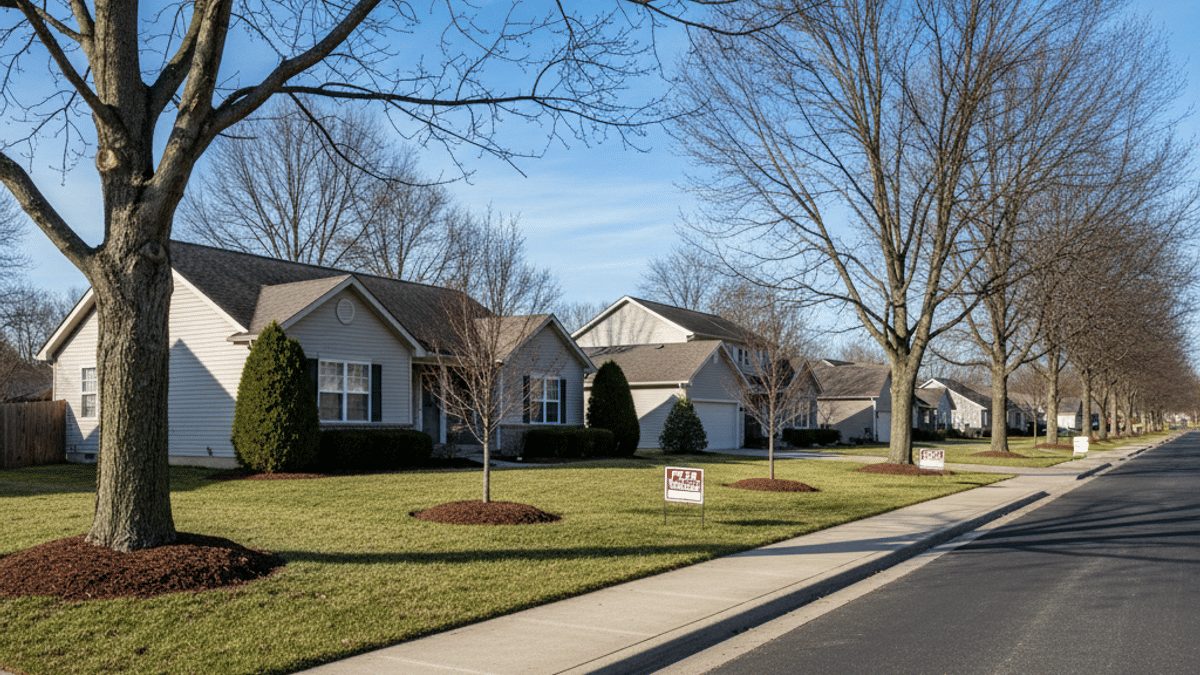
If your goal is buying with options, early spring is gold. Just budget for bidding heat on anything move-in ready under the median price, which floats near the low-to-mid $200s right now. Sellers chasing top dollar love this window too, but they can slip if photos go live before trees green up. Bare lawns look tired. A week or two of patience can add thousands.
Summer: Hot Temps, Hotter Negotiations
School lets out and urgency shows up. Relocation packages fire off, new hires scramble for closing dates before August. That urgency cuts two ways. A starter home with fresh paint may field five offers in 48 hours. A dated split-level might sit because buyers get picky when sweat drips under their ball caps. For sellers, dialing in price accuracy is everything. Overprice by five percent and you risk a mid-July price cut that screams desperation.
Buyers willing to write an offer the day a place hits can win, but bring flexible closing terms. Rent-back arrangements—letting the seller stay a month or two after closing—can beat an all-cash bid. I’ve watched it happen twice this past July.
Fall: Fewer Crowds, Sneaky Deals
Once Labor Day banners come down, showing traffic tapers. You still catch pleasant weather for inspections, yet you dodge the summer stampede. Sellers who listed too high in June eye the calendar and mumble, “I don’t want to hold this through the holidays.” Cue price adjustments. September through mid-October offers buyers chance to negotiate credits for roofs, sewer scopes, you name it.
Luxury homes—think anything above the $400K mark out here—often debut in early fall when landscaping still pops but daylight isn’t brutal for twilight tours. They move slower, so high-end sellers sometimes agree to bigger repair lists just to wrap before winter.
Winter: Frozen Lawns, Room to Haggle
Yes, a January showing can feel like walking a frozen hayfield, but the math gets interesting. Inventory drops by as much as 40 percent after Thanksgiving, yet so does buyer count. The folks still hunting are serious. Sellers who remained on the market are equally motivated. If you can overlook dormant grass and holiday clutter, you hold leverage on inspection requests or closing costs.
One caution: Appraisers pull comps from the previous 90 days. If winter sales are thin, you may fight for your purchase price on appraisal. Keep an eye on list-to-sale ratios to see how often deals are closing below ask. Lately winter ratios hover near 94 percent, compared to 98 percent in May.
Different Homes, Different Clocks
Not every property type moves with the same tide. Treat these like separate mini-markets.
Starter homes below median: Wildly sensitive to interest-rate moves. When rates dip a quarter point, these explode with offers no matter the month.
New construction: Builders here release phases, not single houses, so timing aligns with their inventory cycles more than seasons. Expect incentives—closing cost credits, appliance packages—near fiscal year end when they want units off the books.
Rural acreage: Peaks in late spring when grass is knee-high and ponds look postcard-blue. Off-season photos of mud ruts kill buyer imagination.
Investor specials: Estate sales, rentals in need of lipstick, they pop year-round. Sharper investors check public notices weekly instead of watching seasons.
Chasing Top Dollar vs. Scoring a Bargain
Pick your battle.
Sellers eyeing record prices crave late April through mid-June. Days on market bottom out—last year the median sat at 9 days. That speed pushes buyers to waive minor repairs.
Buyers hungry for discounts swing toward November through early February. The trade-off is thinner selection and tight inspection windows due to icy roofs and frozen AC units you cannot test.
Week-by-Week Watchlist
Timing isn’t only about months. The micro stuff matters.
New listings: Track them daily. A Monday launch often soft-tests the price before a weekend push.
Price cuts: The first cut is the deepest. A second cut within 14 days shouts, “bring any offer.”
Pending speed: If 50 percent of new listings hit pending in seven days, you’re in a seller-slanted market. Drop to 20 percent and leverage tilts to buyers.
Mortgage rate flashes: A sudden quarter-point rise can stall offers for two weeks. Sellers listing right then must nail pricing or risk sitting.
Local job news: A new industrial line at the plant announced? Expect a ripple of relocations 60-90 days out.
Prepping the Launch
For sellers, timing prep beats timing listing. Work backwards:
Eight weeks out: Schedule the handyman. Roof tweaks, gutter guards, dead outlet fixes.
Six weeks: Book the photographer. Golden hour front shots matter, so plan around daylight shifts.
Four weeks: Landscape. Fresh gravel in the driveway, mums by the porch in fall, power-wash mildew in spring.
One week: Deep clean, declutter, hide last names on mail. Buyers get nosy.
Miss one of those steps and your “perfect” season won’t save you.
Off-Season Playbook
Buying in December or listing in January? Use the chill to your advantage.
Buyers:
Negotiate seller-paid points to trim your interest rate.
Ask for a longer inspection period since contractors book out over holidays.
If snow covers the roof, request photos from the most recent clean season.
Sellers:
Offer credits for HVAC servicing if buyers can’t test cooling.
Stage with warm lighting and throw blankets to fight drab skies.
Price realistically from day one; there’s no herd of buyers to push it up organically.
Buying and Selling at the Same Time
Double moves curl toes. You’re not alone.
Options:
Contingent offer: Link your purchase to selling your current place. Works best in slower months when sellers fear vacant houses.
Rent-back: Sell first, lease the home from your buyer for 30-60 days while you shop. Popular in spring when buyers want the house long-term, not immediately.
Bridge loan: Short-term financing to buy before you list. Rates run high, but peace of mind sometimes beats math.
Airbnb-style gap: More locals stash belongings in a pod, grab a three-month furnished rental, then shop without pressure.
Talk to your lender early. Underwriting surprises kill timelines faster than any season.
Investors See the Market Differently
Investment buyers chase yield over school calendars. They watch cap rates and days-vacant. January and August are prime because tenants turn over, freeing occupied properties. If you’re selling a rental, list when it’s vacant and clean. Photos of piles of laundry cut offers by ten percent, no joke.
Mistakes We All Keep Making
Reading last year’s headline prices and slapping them on this year’s listing. Markets move.
Hitting MLS the Friday before Super Bowl or Thanksgiving. Attention zero, showings half.
Ignoring curb appeal. Buyers form an opinion in eight seconds, even in mud season.
Waiving inspections in a frenzy, then discovering 40-year-old cast iron drain lines after closing.
Falling for the “I’ll wait for prices to drop” myth without tracking inventory. If homes for sale keep shrinking, prices won’t magically fall.
Spot any you’ve done? Make this the year you dodge them.
Ready to Move In or Move Out?
No single date unlocks hidden value in Holts Summit. The “best time to buy/sell Holts Summit” shifts with mortgage rates, local payroll announcements, even the timing of the local fall festival that clogs traffic for a weekend. Your strategy beats your stopwatch.
Plan eight weeks ahead, watch weekly stats, and stay nimble. Whether you crave a swift top-dollar sale or a winter bargain tucked under a layer of frost, the market will reward the prepared. And if you still have questions? Hit up a local agent who won’t just quote nationwide averages. The Holts Summit market might be small, but it changes faster than most folks think. Stay sharp and you’ll time it right.