So you’re sitting in your kitchen, coffee in hand, wondering how on earth you can squeeze more money out of your Fulton house when it’s time to sell. Been there. A quick scroll through renovation TikTok will have you convinced you need marble waterfall counters, a spa shower, and thousand-dollar cabinet pulls by next Tuesday. Reality check: the local buyers roaming open houses in Fulton, MO, have very different priorities. If you want to pad your equity without lighting cash on fire, stay with me. I’ve walked through enough pre-list appointments to know exactly which projects move the needle in this pocket of Callaway County and which ones just move dust around.
First things first: why fix anything?
Because buyers pay for peace of mind. Every upgrade, every coat of paint, every new gasket on the water heater shouts, “This place won’t blow up in your face.” That sense of safety (yes, emotional safety counts) is pure currency. Last year the average home value in Fulton bumped up roughly 4.8 percent. Nice, but you can beat that baseline if you aim at the right targets instead of whatever the home-improvement aisle is pushing this week.
Upgrades that actually get noticed around here
Kitchens people can cook in
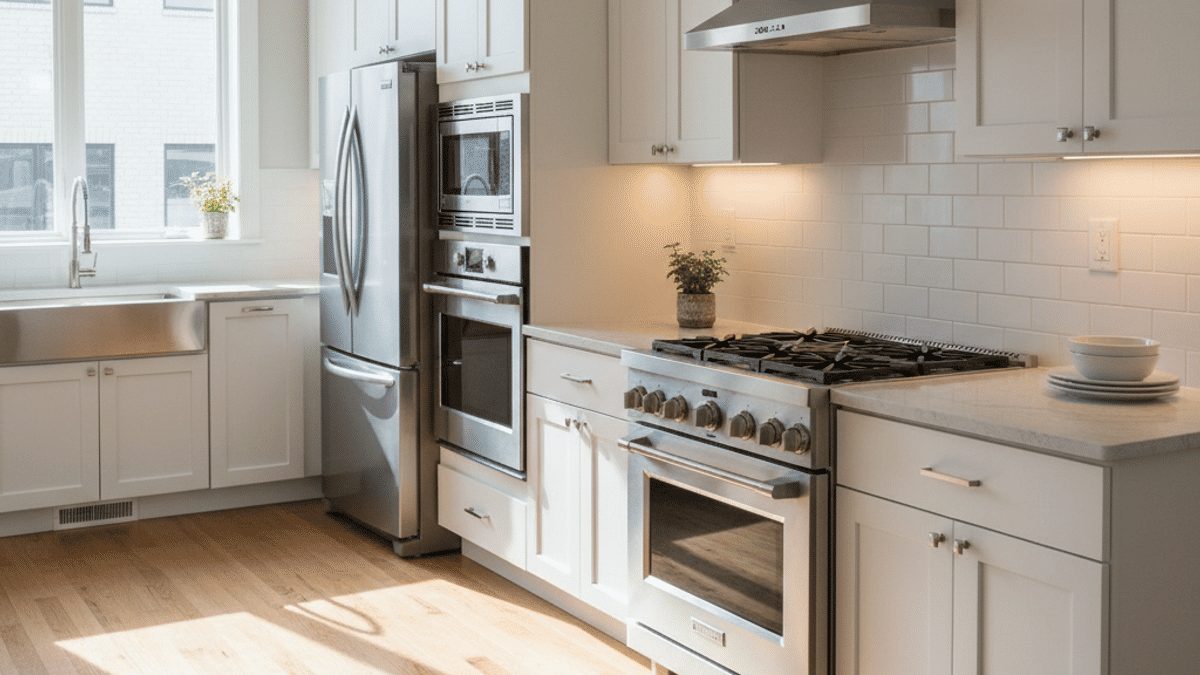
• No need for imported quartzite. Replace dingy laminate with a sturdy mid-price solid surface, swap yellowed appliances for energy-efficient stainless, add a bank of LED under-cabinet strips so the counters glow. Buyers remember light and cleanliness more than the brand label on the fridge.
Bathrooms that don’t feel damp
• Caulking, fresh grout, a quiet exhaust fan, and brighter bulbs. If the vanity is rotted, pop in a stock model from the big-box store and call it good. Skip the Bluetooth showerhead—nobody ever asked for it at inspection.
Curb appeal, Fulton-style
• We’re talking trimmed shrubs, sharp edging, and mulch that isn’t bleached out. A front door painted a bold, clean color makes neighbors slow their cars. Cost? Maybe seventy bucks plus a Saturday afternoon.
Mechanical systems you never see on Pinterest
• HVAC younger than a sixth-grader, plumbing that doesn’t moan, a roof with plenty of life left. Sexy? Nope. Profitable? Absolutely. Every clean inspection report saves you from last-minute buyer discounts.
Floor plan tweaks, but only if they fix a real problem
• Got a weird half-wall choking the living room? Remove it. Cramped laundry stuck in the kitchen? Move it to the mudroom if the plumbing is close. Small shifts that open flow make square footage feel bigger, which instantly ups perceived value.
Money pits dressed up as “investment”
You’ll see articles claiming a “120 percent ROI” on a luxury kitchen. Take it with a grain of salt. Most of those stats come from national landscaping and remodeling surveys. They don’t break down what happens in a midsize Missouri city where median sale prices hover under the half-million mark. Around Fulton, these are the usual cash traps:
- Tearing out a perfectly functional kitchen just to chase granite when the rest of the street still has Formica.
- All-season sunrooms with walls of glass. They look dreamy, but appraisers rarely give full credit for that square footage.
- Building a backyard pool. Nine months out of the year it’s covered, and maintenance costs scare more buyers than it attracts.
- Flooring trends that age in dog years. Remember gray plank everywhere? Already fading. Neutral LVP in a warm tone lands better.
- Highly personalized paint techniques. Buyers imagine extra labor to cover it, so they mentally deduct dollars when they write offers.
The tiny, unglamorous fixes that punch above their weight
Let’s keep it simple. If you only have a weekend and a few hundred bucks:
- Deep cleaning from ceiling fans to baseboards. Smell of bleach? Buyers translate it to “well-cared-for.”
- New switch plates and outlet covers. A whole room feels fresher for twenty bucks.
- LED bulbs in every fixture. Brighter rooms photograph better, which means more online clicks and more foot traffic.
- Strategic staging. One comfy seating area. A plant with glossy leaves. Lamps on timers so everything glows at dusk.
- A fresh welcome mat. Small, yes, but it sets an expectation: this house is ready.
Short list, big impression. Most sellers skip half of it. Don’t.
Inspection headaches that cost you twice
Deferred maintenance lurks in crawl spaces and attics. Buyers hire inspectors who sniff it out, then they leverage every cracked shingle and sweating pipe to shave thousands off your price. Worst case, the deal dies and you start over. Handle the boring stuff now:
- Clear gutters, extend downspouts, direct water away from the foundation.
- Replace old supply lines under sinks before they burst.
- Service the HVAC so the tech can leave a dated maintenance tag right on the unit. That little piece of paper screams “responsible owner.”
- Check the electrical panel. Double-lugged breakers invite renegotiation.
Each repair costs a fraction of what you’ll lose in a tense inspection negotiation.
Staging, lighting, and the thrift-store magic trick
Staging isn’t about fancy rental furniture. It’s about space and light. Move half your stuff into the garage or a pod. Center what remains. Then light every corner:
- Table lamps at eye level.
- Floor lamps to erase dark hallways.
- All windows scrubbed until they vanish.
Total outlay? Maybe a hundred bucks in bulbs and elbow grease. Result? Photos that pop on Zillow, more showings, and often multiple offers.
Should you renovate or just price it right?
Here’s the hard truth: sometimes the best “upgrade” is a sharp asking price. If your roof is at end of life and you cannot replace it without raiding the 401(k), disclose it and discount accordingly. Buyers can process a known issue if the number on the listing reflects the risk. Trying to sneak past will only stall the sale.
Ask yourself:
- Will this repair boost buyer confidence enough to raise offers past the cost?
- Will appraisers actually give credit, or is it purely cosmetic?
- How long will the work take, and what’s the holding cost of sitting idle?
In Fulton’s current market, a house priced ten thousand under pristine comps can still spark a bidding war if it looks cared for and the bones are solid. Meanwhile, a house that’s “updated” but obviously patched over underlying issues may limp along for months.
Rookie mistakes I still see on North Bluff to South Business 54
- Over-renovating the cheapest house on a modest block, then expecting city-wide luxury pricing.
- Picking finishes straight off a TV reveal, ignoring regional taste. Those gold faucets photograph well but often confuse local buyers used to brushed nickel.
- Skipping permits on major electrical changes. Appraisers flag it, lenders panic, and everything grinds to a halt.
- Listing photos shot on a phone at dusk, blinds half closed. Lighting sells, folks.
Avoid these blunders and you’re already ahead of half the competition.
Value versus perception versus the final check at closing
Let’s break the three versions of “value” so many people mash together:
Appraised value
• Determined by a licensed appraiser, focused on comparable sales, square footage, and concrete upgrades like roofs or HVAC. Flashy tile rarely lifts it much.
Buyer demand value
• The emotional pull that lures buyers to schedule a showing. Here is where paint color, smell, and styling rule.
Final sale price
• Where the Venn diagram overlaps. You’ll fetch the highest number when the appraisal supports your contract price and multiple buyers bid because the home feels move-in ready.
Keep your eye on all three. If you raise one but ignore the others, you leave money on the table.
A simple action plan you can start this week
Day 1: Walk your own house with a notepad as if you’re the pickiest buyer in town. Note every squeak, stain, or wobble.
Day 2: Rank fixes by cost versus how badly they would spook a buyer or inspector.
Day 3-5: Knock out the cheapest, highest-impact tasks: bulbs, caulk, pressure-wash siding.
Weekend: Tackle a mid-level project like repainting the front door and swapping outdated bathroom faucets.
Next two weeks: Collect bids on any big-ticket mechanicals. Decide if you’ll replace, repair, or credit.
Listing prep: Stage, deep clean, photograph in bright daylight.
Follow that order and you’ll avoid the classic paralysis that sets in when sellers try to do everything at once and wind up doing nothing.
Ready to squeeze more equity out of your Fulton place?
Increasing home value in Fulton isn’t about pouring gold into countertops. It’s about presenting a solid, tidy, low-risk home that feels good the moment a buyer steps inside. Handle the basics, upgrade where it counts, price with strategy, and watch that equity stack up. Your future buyer is already scrolling listings with a thumb hovering over your neighborhood. Make sure what they see looks cared for, bright, and confidence inducing. That’s the formula that works right here, every season.