
Your Seasonal Feel: Understanding Columbia’s Housing Cycles
Columbia is a college town first and everything else second, and the housing rhythm follows that drum. Forget the national headlines that holler spring is king. Around here the market breathes with the University of Missouri’s schedule, the state-worker pay cycles, the health-care hiring sprees, and even the high school sports calendar. Let’s walk season by season.
Spring surge, yes, but watch the edges. Late February and March set off the first pop of listings, mostly homeowners who did their trench digging during winter and want to hit the MLS the minute crocuses peek out of the mulch. By mid-April the new-listing feed looks like fireworks. Prices look frothy, days on market shrink to single digits, and multiple-offer stories travel faster than gossip at Shakespeare’s. Trouble is, competition spikes too. If your goal is to buy without bidding wars, early spring can feel like trying to order barbecue after a football game. Sellers love it, though, especially those wanting the cleanest offers with the fewest strings.
Early summer feels different. Once undergrad finals wrap and graduation gowns hit the closet, a second wave shows up. Many households with school-age kids prefer to finalize a move before August, so June becomes moving-truck central. Expect more listings, yet also more buyers holding pre-approval letters like golden tickets. Starter homes inside city limits can auction-style in a weekend. Mid-range and upper-mid homes fare well too because relocation packages often target June and July. Luxury listings see traffic but not always urgency; buyers in the seven-figure bracket act methodical, touring twice, sometimes three times before writing an offer.
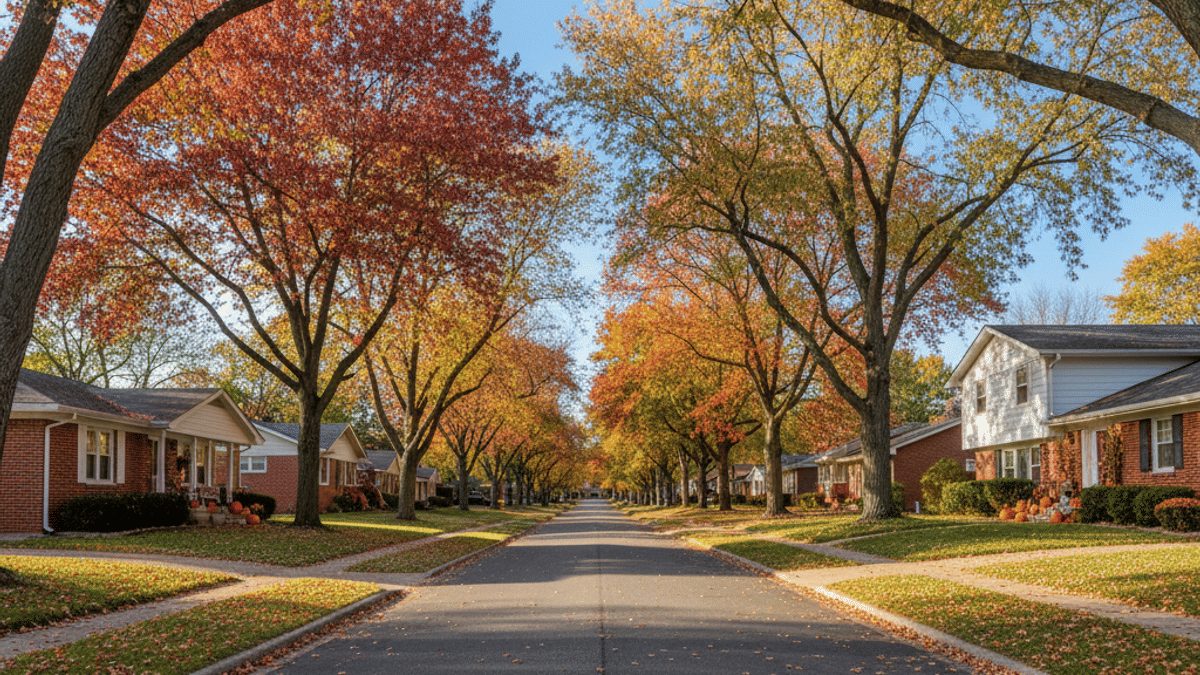
Fall sneaks up as the sweet spot. After Labor Day the hype fizzles, inventory that missed its mark lingers, and new sellers test realistic price tags rather than moon-shot numbers. Early September through mid-October often couples solid selection with calmer negotiations. And because football and homecoming pull half the city to tailgates, open-house attendance dips for stretched properties, giving patient buyers room to breathe. Sellers who list in this window can still capture respectable prices without the mayhem of spring.
Winter, on paper, looks like hibernation. Truth: it feels quieter but never truly dead. The serious buyers remain, usually job changers, investors chasing year-end tax moves, or folks sick of renewing leases. With fewer showings per week, sellers may accept thoughtful terms like repair credits, longer inspection windows, or rent-backs. Last December a ranch in East Campus sat sixteen days before one determined buyer walked in, offered five grand under list, snagged closing costs and even kept the washer-dryer set. The seller shrugged and signed because the next firm offer could have been February. Winter rewards resilience, plain and simple.
Property Types & Timing: Customizing Your Strategy
Not every roofline marches to the same drum, so break the market into segments instead of lumping all “homes” together.
Starter homes, usually under about three hundred fifty thousand here, ignite fastest. They launch in spring and early summer when freshly pre-approved buyers flood the portals. If you want to purchase one minus the frenzy, try two tactics: look during July’s 100-degree heat wave while most folks hit the Lake of the Ozarks, or circle back in late October when busy households postpone house-hunting until after New Year’s. Sellers of starter homes may panic if a listing sits longer than a weekend because their next purchase hinges on that sale.
Luxury listings above eight hundred thousand rely less on season and more on economic vibe. Stock market volatility, mortgage-rate swings, and bonus season drive these deals. That is why a high-end estate can pop under contract during an otherwise sleepy February Tuesday. For sellers in this bracket, prepping early and staying flexible beats waiting for “the perfect month,” which rarely arrives.
Condos follow their own path. Student-oriented complexes, especially near campus, swap ownership as leases roll. February and March see owners list so investors can close by May and capture summer renewals. Downtown lofts, aimed at professionals, do better in late summer when hospital residencies finalize or new tech hires land in town. If you are selling a unit, publish HOA rules, pet policies, and financials in the listing, buyers comb for that info and reward transparency with quicker offers.
New construction timing hinges on build completion and builder quotas. Many production builders hustle year-end deals in November and December to hit targets, tossing in appliance packages or closing credits. Custom builds? Those stretch twelve to eighteen months, so starting the contract in fall locks rough-in work through winter then reveals framing in early spring when you can actually see daylight after 5 p.m. Buyers chasing a move-in ready spec home should track builder inventory releases, often announced on social channels before they hit the MLS.
Investors zero in on units within a mile of campus or pockets near the hospital corridor. Their hottest buying windows: April, after spring semester leases renew and numbers pencil, and January, when owners tired of management headaches dump properties post-holiday. Cash offers, quick closes, and minimal contingencies sway weary landlords faster than brilliant marketing copy ever will.
Micro-Timing Tips: Seize the Perfect Moment
Zoom in from seasons to weeks and you catch subtleties most blogs skip.
Back-to-school window. Mid-August through the first Mizzou home game creates an odd quiet stretch. Many residents are juggling supply lists, bus schedules, and freshman move-ins. Listings launched during that scramble often fly under radar. Buyers willing to tour at dusk between soccer practice and homework can snag homes with twenty-thousand-dollar price reductions that never would have happened in May.
Holiday pockets matter too. The week before Thanksgiving? Sluggish. The Monday after? Phones light up. Some buyers, powered by turkey leftovers and visiting relatives, jump on new inventory out of fear mortgage rates will spike in January. Listing that Monday and accepting showings through early December can land a serious contract before holiday décor even goes up.
Watch Friday morning price drops. Agents commonly schedule reductions after a listing sits two weekends, hoping to float to the top of search results for the Saturday scroll fest. Set alerts for 9 a.m. Friday price changes and pounce before the open-house balloons hit the curb.
Keep an eye on the temperature, literally. Columbia sees humid summers and slick winters. An unexpected ninety-five-degree day in late May can cut open-house traffic in half, making room for your less-crowded tour. Same for a surprise dusting of snow in March. Brave the weather and often the house is yours.
Prepping to sell? Start cosmetic projects ninety days out. Painters and landscapers book solid after April, so calling in February secures better rates and flexible timelines. Schedule professional photos when trees finally leaf out but before pollen stains siding, usually the first or second week of April. If you miss that slot, aim for mid-September when afternoon light turns golden and grass still shows life.
Practical Considerations: Aligning Goals with Market Reality
Calendar talk is fun until mortgage rates jump half a point overnight and inventory cuts in half. Here is the nitty-gritty buyers and sellers actually use.
Reading the heat. Pull recent comparable sales within a half-mile radius and check list-to-sale price ratios. If homes closed last month at 101 percent of list on average and yours sits at 98 percent, momentum has cooled. Speed to pending matters too. Average days on market under ten spells competition. Anything over twenty gives leverage. Your agent can run weekly market reports, but you can also eyeball the MLS portals. Check the “pending” status count each Sunday night. Rising pendings plus falling actives equals a tightening market.
Off-season leverage becomes real money. In January a buyer asked for a ten-year roof certification, furnace service, and full closing costs. The seller agreed inside twenty-four hours. Same house in April would have sparked six offers and waived everything. Sellers listing in the deep off-season should budget a little wiggle to keep deals glued together. Buyers, be bold yet reasonable. Over-ask discounts are rare but inspection credits, flexible possession, or appliances can drop four figures off your net.
Coordinating buy-sell moves looks daunting. Bridge loans buy time yet carry fees. Some local banks now offer recast programs where you close on the new home with a small down payment, sell the old one, then dump the profit into the new mortgage and reset the payment. Temporary housing, think short-term rentals east of downtown or month-to-month apartments on Stadium, fills gaps if timelines slip. Rent-back agreements stay popular: sell your home, stay sixty days after closing, pay the new owner a daily rate about equal to their mortgage. Sellers who need that cushion should state it in the listing upfront; you will attract offers that fit your reality instead of renegotiating later.
Investors weigh cash-on-cash returns rather than school schedules. They monitor rent growth, vacancy rates, and property-tax talks at city hall. If cap rates compress and rates rise, they might wait for spring price adjustments to shake out. Primary-home buyers focus on lifestyle and monthly payment first. A one-hundred-dollar difference in mortgage matters more to them than shaving five thousand off list. Bleed the two approaches together and you step into trouble. Know your motive and filter advice accordingly.
Local Wisdom & Avoidable Missteps
Every year Columbia watchers witness the same movie.
Mistake one: waiting for “last year’s price.” If your neighbor sold above ask in April but you are listing in October, do not anchor to their number. The market might still be strong, yet peak frenzy rarely repeats month for month.
Mistake two: ignoring market signals because a relative swears prices only go up. Pull data weekly. If you see more homes within your price bracket posting price cuts than new actives, heat is falling. Adjust sooner instead of chasing a sliding bar downward.
Mistake three: launching a listing during dead weeks with no strategy. Super Bowl weekend, the stretch between Christmas and New Year’s, and even the four days around Fourth of July can work if you price aggressively and limit showing restrictions. Toss a house out there at a premium price with limited hours and you will watch it age in internet time.
Mistake four: lowballing repairs right before closing. Both sides need fairness. If an inspection reveals a forty-year-old sewer line about to crack, negotiate a sensible credit or replacement. Stall or dig in and you could reset the timeline by two weeks while everyone loses hair. Time is money, and no one wants to repeat radon tests.
Old rules fade quickly. Five years ago buyers avoided January like a frozen pond. Today, with pandemic-shaped habits and remote-work flexibility, January has become a legit hunting month. Meanwhile April remains strong yet miles more volatile thanks to rate headlines. Adapt fast. Columbia’s housing market may look laid-back in the morning and sprint by dinner.
Ready to make a move? Grab the numbers, watch the weekly flow, and pick the slice of the calendar that lines up with your personal goals. Whether you are chasing top dollar, hunting a bargain, or juggling two closings at once, timing is your friend if you pay attention. Ignore it, and well, enjoy those weeds on the end of the line.