Feeling itchy to list your Fulton place, pocket the equity, and move on to the next chapter, but not sure if you have held the keys long enough. You are in good company. Every week a homeowner asks the same thing in one form or another: “Exactly how long should you own a home before selling Fulton real estate without leaving money on the table.”
Here is a no fluff, straight-talk answer built around local numbers, federal rules, and the real-world lessons that stack up after helping dozens of owners flip the “For Sale” sign at just the right moment.
What Fulton Homeowners Are Doing Right Now
- Zillow pegs the typical Fulton sales price near one-hundred-seventy-five thousand dollars, up roughly eight percent compared to last year.
- Average time between purchase and resale in Callaway County sits around six years, according to county transfer records pulled in March.
- Roughly one in five owners cash out sooner than three years, most often because of job moves or a growing household, not pure profit chasing.
Those statistics paint a clear picture. Most owners here feel comfortable sitting tight for half a decade or so. Yet the data also shows plenty of citizens pivot early when life calls. Both groups can win, but the math changes fast once you shave years off the holding period.
Crunching the Numbers: The Five-Year Rule With a Twist
National bloggers love to chant the Five-Year Rule. Hold for five, then sell. In Fulton that benchmark usually works, yet there are two common twists that can shift the sweet spot.
Twist one: Two-Year Capital Gains Exclusion
Federal tax code says you may avoid capital-gains taxes on up to two-hundred-fifty thousand dollars of profit, five-hundred-thousand if you file jointly, so long as you owned and lived in the property at least two of the previous five years. That means the absolute minimum safe window for many households is twenty-four months. Anything shorter and Uncle Sam will want a cut, often fifteen to twenty percent of the gain. For a modest Fulton appreciation rate, that slice can easily wipe out your extra equity.
Twist two: Break-Even on Transaction Costs
Selling costs run about eight to nine percent of the eventual price once you layer agent fees, title work, transfer taxes, and the buyer’s requested concessions. If the local market is rising three to four percent a year, you simply need time for appreciation to outrun those closing costs. In Fulton the break-even timeline lands closer to thirty-six months for most price points. Sell at month eighteen and you will likely write a check to get out.
Put the two twists together and you get a practical rule: Hang on at least three years if possible, though five still feels comfier, especially if the economy turns sideways.
The Hidden Costs of Getting Out Too Fast
Some expenses scream at you on the settlement statement. Others hide in plain sight. When owners bail early, these slippery costs often derail the dream payday.
- Mortgage interest front-loading: Every payment you send during year one and two is mostly interest, less principal. If you sell while the loan balance is still high, you lose a chunk of early equity to the bank.
- Private mortgage insurance: Bought with less than twenty percent down. That monthly PMI fee keeps draining your wallet until you hit the equity threshold. Bail early and you never shake it off.
- Capital gains tax, already mentioned, bounces you backward if you fall short of the two-year residency test.
- Make-ready updates: Quick sellers still get stuck repainting rooms, touching up trim, cutting out old carpet stains. No one wants to tour a tired house. Those upgrades climb toward five figures even in a smaller Fulton ranch.
- Moving twice: Sell in year two yet plan to buy again soon. You may rent in between, pay storage, lose furniture to damage. Two moves beat up the budget more than most owners expect.
Stack those five line items and the fast exit looks less glamorous. Giving the calendar another spin or two often saves more than any rumored market bump will earn.
When the Market Gives You a Nudge
Rules are nice. Market momentum sometimes shouts louder.
Fulton sits just off Highway 54, close to the college campus and a cluster of light-manufacturing jobs. That means local prices lean on three forces: interest rates, job announcements, and college enrollment shifts. Keep an eye on each.
Interest rates
Whenever the average thirty-year mortgage dips below six percent, buyer demand mushrooms. We saw it during late 2020 and early 2021 when open houses turned into traffic jams. If rates swoop again, even a three-year owner could cash out safely.
Job growth
Big employers such as the local energy utility and the Fulton State Hospital add or cut positions in waves. Callaway County adds fifty new jobs in a department, watch the rental pools drain as employees hunt for something permanent. Tight supply equals extra negotiating power, even for owners that have not crossed the legendary five-year line.
Enrollment swings
William Woods University and Westminster bring hundreds of students and staff in every fall. Enrollment spikes translate to incoming professors, assistant coaches, and staffers hunting for houses near campus. That campus demand is seasonal, though. List in July, snag the crowd before classes start. List in October, face a smaller buyer pool until spring thaw.
So yes, stick around long enough to dodge taxes and break-even costs, yet keep a flexible mindset. Market tails can push you over the profit edge earlier than you planned.
Getting Your Place Sale-Ready Without Losing Your Mind
Once the timeline decision crystalizes, focus on condition. Fulton buyers share feedback daily. They say they want turnkey. They really mean these seven things, nothing more, nothing less.
- Fresh paint in light neutral, think creamy white, not pure builder beige.
- Floors that look maintained. Hardwood would be ideal. Laminate works if no sticky corners or lifted edges.
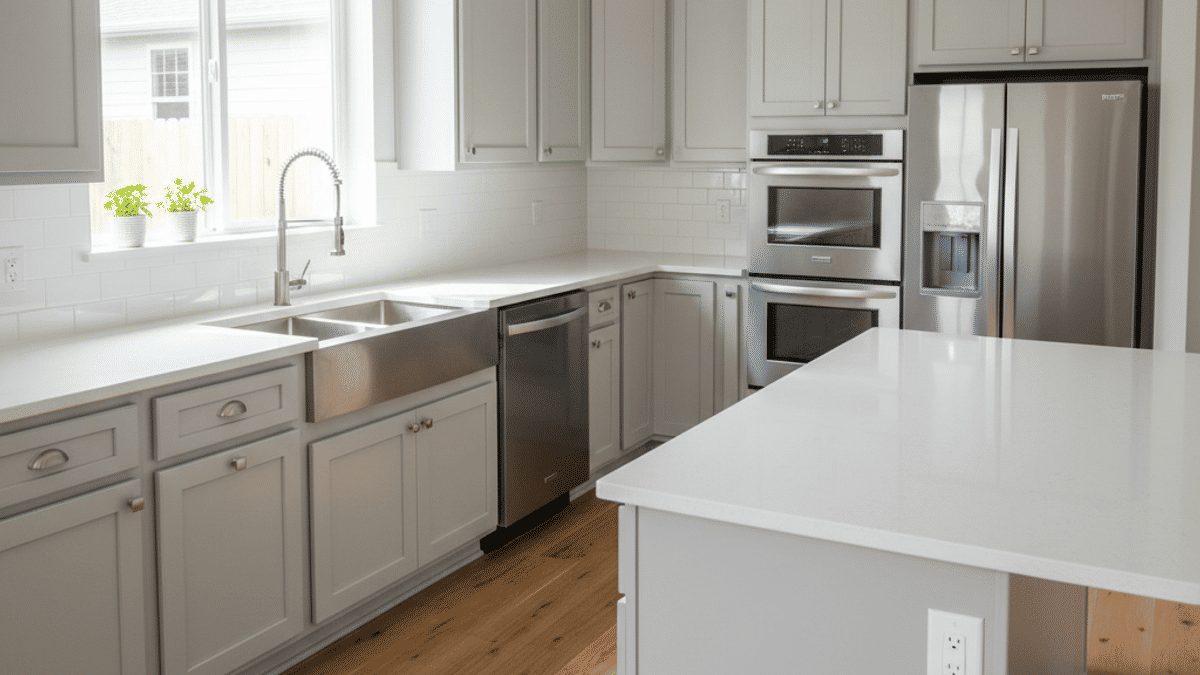
- A kitchen that smells clean. You can get away with older cabinets if the hinges glide and the counters sparkle.
- Updated light fixtures. Spend ninety dollars at any home-improvement store and swap builder basic for something with warm LEDs.
- A tidy yard. Grass cut low, edges crisp, bushes tamed.
- No visible roof stains or peeling gutters. A simple soft wash can fix both.
- Staged furniture layout that shows clear walking paths from entry to living area.
Hit those seven points and photographs pop. Online traffic doubles. Your days on market shrink to single digits on many price tiers. That speed matters, because every extra week costs you carrying expenses.
Pricing Moves That Work in Fulton
Step one, study recent closings within half a mile or so. Aim for homes built within the same decade as yours, with near-identical square footage.
Step two, note the spread between list and sold prices. Fulton averages ninety-eight percent list-to-sale ratio when inventory is balanced. Price five percent above the comp line and most shoppers will pass. Price two percent below the comp line, watch the bids pile up.
Step three, peek at absorption rate. When months of supply dips under four, a slight premium makes sense. Over five months, lean on a discount to beat competing listings to the offer table.
Does that pricing dance guarantee success. Nothing in real estate is that clean. Still, homeowners who follow those three checkpoints find themselves reviewing offers over coffee while neighbors still prime the trim.
Money-Saving Hacks While You Wait Out the Clock
Let us assume you bought last year yet the math says stay put until year three. How do you maximize that waiting period.
- Throw one extra principal payment against the mortgage each quarter. You accelerate equity, shrink interest, and test-drive a slightly higher monthly outflow to see if the next place can handle a larger note.
- Refinance only if the rate drops a full percentage point below your current deal and you plan to hold past the closing-cost break-even. Anyone telling you different probably profits from the loan.
- Daily auto-transfer fifty dollars into a dedicated repair fund. By the time listing week rolls around, you already banked several thousand for last-minute touchups without swiping a card.
- Learn simple DIY tasks. Touch-up painting, caulking tubs, swapping door hardware cost more in labor than materials. YouTube plus one Sunday afternoon saves serious cash.
Why Your Personal Timeline Still Rules
All the graphs in the world cannot beat personal life plans. Maybe you landed a remote position, crave sunlight in Arizona, and Fulton winters feel longer than they used to. Maybe your child’s school placement switched and a district to the north solves that headache. In either case the intangible value of reduced stress may outweigh pure financial gain. Do not apologize for that choice. Just make sure you walk into the sale knowing the numbers.
Red Flags That Scream “Do Not Sell Yet”
- Negative equity because values dipped or you borrowed against the house for a remodel.
- Leaseback agreement with your solar provider that makes buyers nervous.
- Lingering warranty claims on a recent roof installation. Lenders dislike open claims.
- Major road construction planned on your block next spring. Patience until the orange cones disappear will preserve curb appeal.
If any of those four fit, pause. Work through them first. You will thank yourself later.
Case Study: The Three-Year Flip That Beat the Five-Year Rule
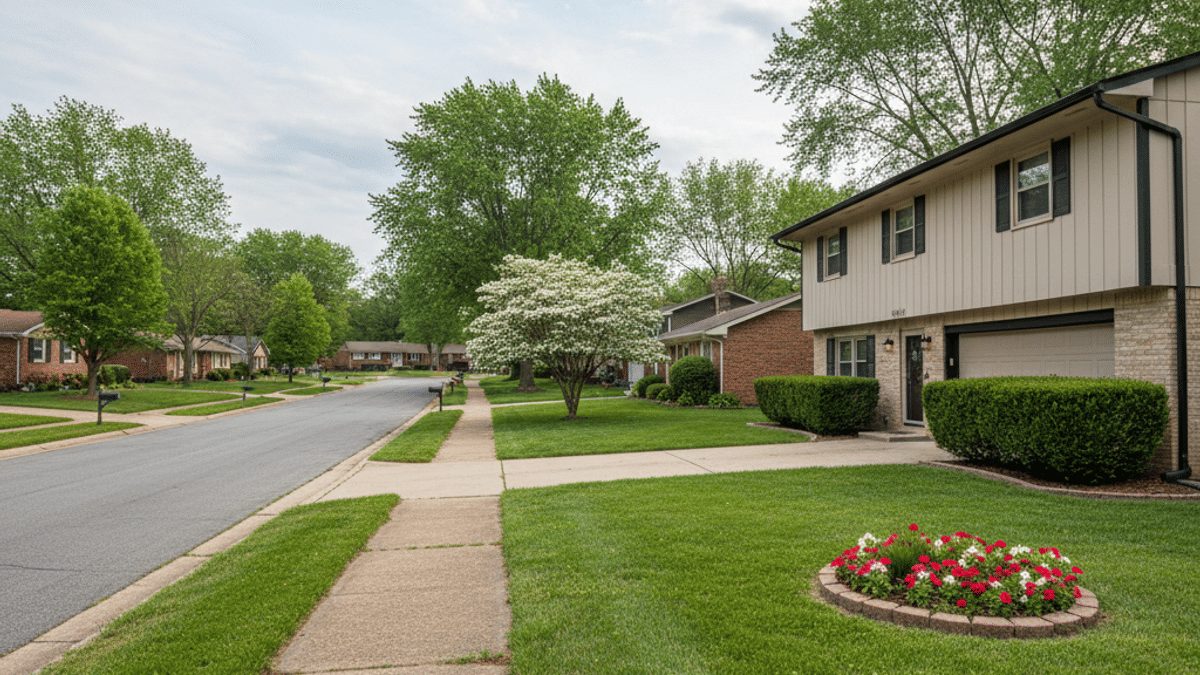
Caleb and Dana snagged a 1970s split-level near Hospital Drive for one-hundred-sixty-two thousand in early 2021. They invested twelve thousand in cosmetic fixes during weekends. Two years and nine months later, rates started climbing, yet buyer demand stayed hot. Their agent priced the place at two-hundred-fourteen thousand. They accepted two-hundred-twenty after a small bidding war, netting roughly thirty-five thousand after all selling costs. They passed the two-year residency test, so no federal capital gains tax. Short of the classic five-year timeline, yet success anyway. The lesson: watch both tax rules and market momentum, then pounce when stars align.
Quick Reference Timeline
Year 0–1: Best option is hold tight except for an emergency. You likely owe more than you can sell for after fees.
Year 2: Crosses the capital-gains threshold. Still razor-thin profit unless heavy appreciation hits.
Year 3: Breakeven meets opportunity. If values rose ten percent plus, proceed.
Year 5: Textbook sweet spot in most stable markets including Fulton. Equity, appreciation, and tax rules all cooperate.
Year 7-10: Maintenance items start piling up. Sell before you need a new HVAC or full roof replacement unless you saved cash to tackle them first.
Ready To Make a Change
So, how long should you own a home before selling Fulton property without regrets. The safest answer lands between three and five years, with the two-year capital-gains line as the absolute floor. Watch interest rates, local job news, and college enrollment for early profit signals. Rein in transaction costs, upgrade the easy items, and stay laser-focused on personal life goals.
The next move is simple. Pull your purchase paperwork, jot down the closing date, and plot it on a timeline. Add two years, add five, then circle where market data and life plans intersect. If that circle lands on the present year, reach out to a trusted local real-estate professional and start prepping the listing. If it falls in the future, use the waiting window to pile up equity and polish the property. Either path keeps you in control and, honestly, that is the secret every smart seller in Fulton aims for.