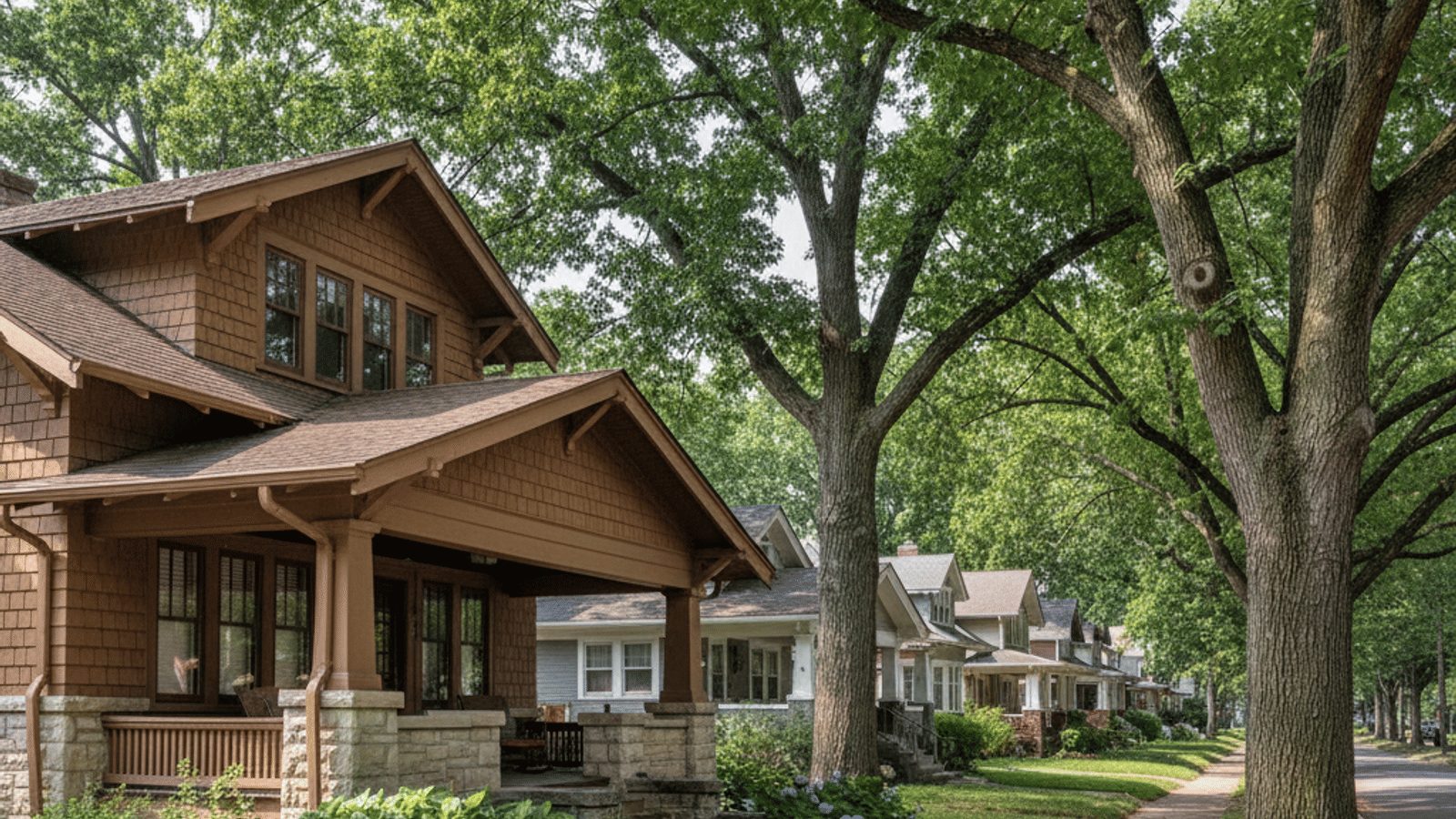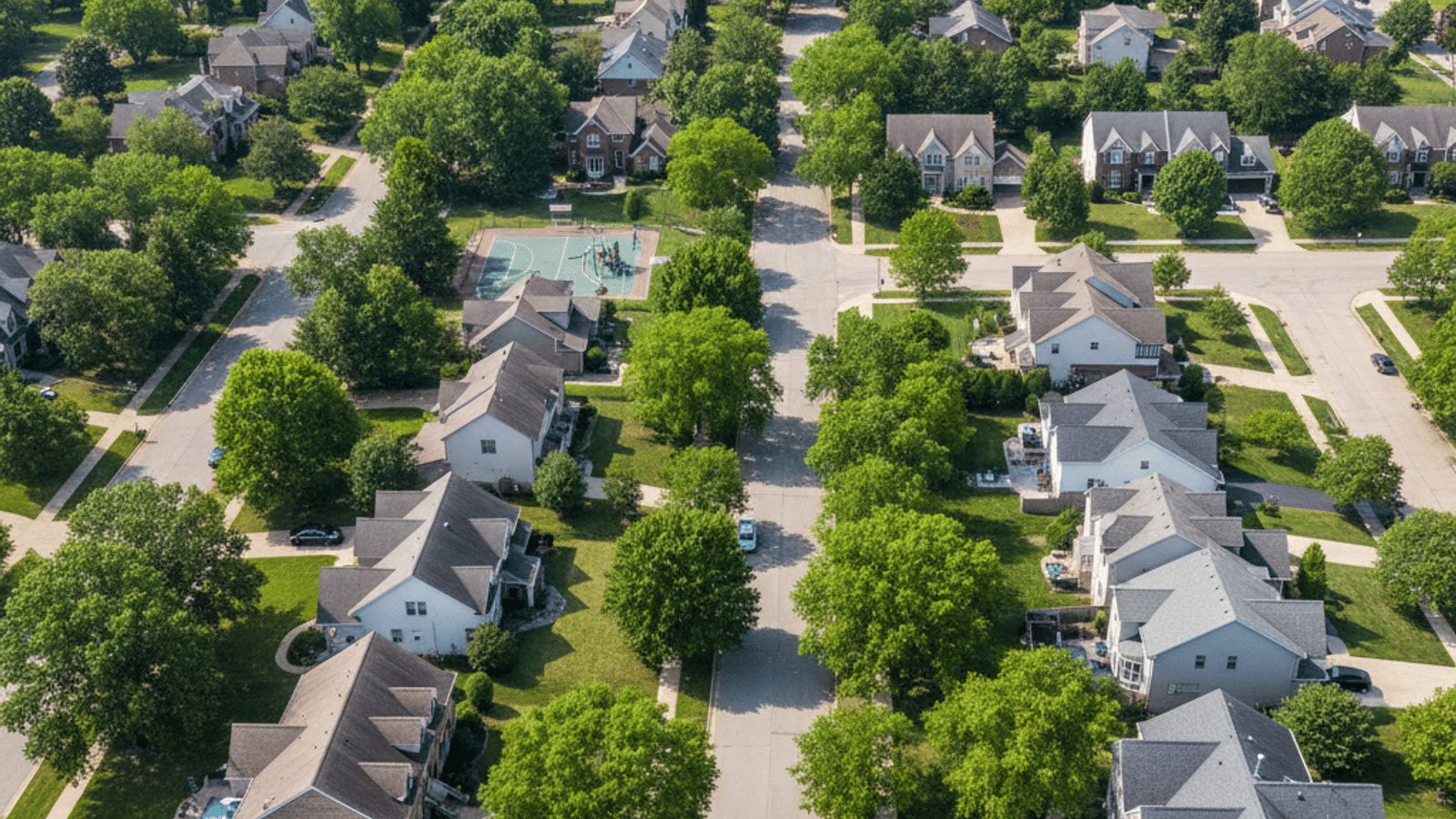

So what happens month to month?
Spring rush
Late March through May feels like someone hit the un-mute button. Fresh listings pop up almost daily, for-sale signs lean a little straighter, and you can practically hear the hum of lawn-mowers in the background of every showing. Sellers chase top dollar because buyers get jumpy; they’ve been scrolling real-estate apps all winter and finally want to walk through front doors instead of virtual tours. Homes that look sharp and are priced within sniffing distance of recent comps can disappear in a week. Double-check your pre-approval letter before you start touring or you’ll get left at the start line.
Yet spring is not a magic wand. If there’s a flood of similar three-bedroom ranches on the west side, you might compete against half a dozen nearly identical homes. The nice, flat-roofed mid-century that photographs well? It needs to stand out with fresh mulch or an early-season paint touch-up. Otherwise it melts into the pile.
Summer dynamics
June rolls in. School’s out. Schedules loosen. Buyers keep shopping, but the frantic energy slides a notch because everyone’s juggling road trips and Little League tournaments. Inventory usually stays high through early July, then drifts lower as would-be sellers realize they ran out of staging time. Prices? They plateau. If spring bidding wars pushed comps up five grand, summer buyers often balk at going another five on top. Counter-offers feel more polite. For a seller who missed spring, this is still a decent runway—provided you price just a touch under the last strong comparable to spark interest.
Fall slowdown
By late August the collective mindset pivots. Folks lock down routines again. Listings linger. Open-house cookies sit untouched. That’s not a doom signal—just a shift. Smart buyers sneak in, armed with data showing how many price drops hit the MLS after Labor Day. Sellers willing to negotiate for a quick close (maybe they want to move before cold weather) often grant repair credits rather than slash price on paper. I’ve watched buyers save a few thousand in concessions while the recorded sale price stays firm enough for the seller’s pride.
Winter bargains
December to early February is the quiet corner of the calendar. A handful of new listings pop up because somebody took a job in another state or decided not to pay another year of heating bills. Showing windows shrink when daylight fades at 5 p.m. That inconvenience scares away casual browsers, leaving serious buyers with more leverage. Never assume you can lowball 20 %. But a realistic offer paired with flexible closing dates, and maybe you secure appliances or a roof allowance the seller wouldn’t consider in May. For sellers, winter requires patience. Photos need twinkle-light charm, driveways must be shoveled, and you may sit on market a while. The trade-off: lower competition from other listings.
Starter homes? Luxury? They dance to different songs
First-time and starter territory
Two-bed-plus-bonus-room houses under the county’s median price get mobbed the minute tulips poke through the ground. That’s when down-payment assistance programs reopen budgets and aspiring owners shake off leasing fatigue. If you’re buying your first place, consider sneaking in earlier—think late February. Less competition, and sellers who listed too soon sometimes panic after a week of thin traffic.
Selling that type of house? Have professional photos ready before lawn green-up. Launch the listing the same week neighboring streets still look dormant. You’ll snag pent-up clicks.
The higher bracket
Luxury property in Callaway County—acreage, custom builds, lake frontage—often floats outside the school-calendar cycle. Buyers at that level fly in, drive in, or FaceTime tour on their own timeline. They also want green grass for drone footage, so most list in late spring to early fall. If you’re targeting that slice, aim for perfect curb appeal and wait for long-daylight months. Buyers, on the other hand, can sometimes secure a price cut in November when big homes sit empty and utility bills surge.
Condos compared with single-family
Condos downtown near Westminster activity hum along with the academic calendar. Late spring graduates look to stay, staff relocations bump up in August, and units flip fast then. Single-family out in Fulton’s surrounding subdivisions stick to the broader patterns we just walked through. If you’re a condo seller, timing an early-summer listing captures two buyer pools at once—new hires and folks commuting to Jefferson City.
New construction versus resale
Builders release spec homes in waves. A fresh phase opens, prices look fixed, then inventory sits and incentives appear. Watch builder websites for sealed-beam list prices quietly including free appliance packages come fall. If you crave that new-paint-smell, late in the build calendar, often September, can mean extra perks without haggling. Resales rely on homeowner timing, so you need sharper comp analysis. One trick: check how long similar homes sat unsold exactly one year ago; that pattern usually repeats.
What really moves the needle
Seasonality is only headline news. The fine print matters more.
- Interest rates
Every eighth-of-a-point swing yanks purchasing power up or down. When rates jumped a full percentage in one crazy quarter last year, average sale prices in Fulton flattened even though inventory stayed tight. Pay attention to weekly mortgage-rate surveys, not just federal policy chatter. You feel the change inside your monthly payment long before national media catch up. - Local job stories
Big employer expanding? You’ll spot a mini surge in buyer inquiries months before ground breaks on new offices. On the flip side, if layoffs drift through certain industries, sellers may quietly speed up timelines, creating sudden supply. - Inventory ripples
I refresh our MLS first thing every morning. Count the new listings, the pendings, and the back-on-markets. Three days of more pendings than new listings means pressure is building on buyers. Three days the other direction hints at softness. That simple ratio will serve you better than year-old articles predicting trends. - School-year rhythms and community events
Fulton’s town fair or Westminster’s homecoming weekend can clog streets and freeways, causing fewer showings. Listing right after a big event sometimes boosts traffic when visitors decide they liked what they saw. - Weather
Obvious, but still sneaks up. Ice storms shift appraisal timelines, heavy spring rain can flag drainage issues in inspections, and extreme heat keeps buyers from wandering yard boundaries in July. Schedule accordingly.
Street level tactics you can use
This section gets practical. Take notes or screenshot, whatever keeps it close.
Using comps and list-to-sale ratios
Pull three comparable sales from the last ninety days within the same school district lines, same square-foot range, and similar lot size. Note original list price versus final close price. If the gap averages two percent, you know sellers are accepting near-ask offers. When that gap widens to five percent or more, negotiation room just opened for you.
Watching the market week by week
Open the MLS hot-sheet or your favorite public portal every Monday. Count:
- New listings
- Price reductions
- Under contracts
If reductions spike while under contracts dip, that’s a market begging buyers to push on inspection credits. If new listings plummet but pendings remain steady, sellers gain leverage, and you should come in strong with clean terms.
Timing your own listing prep
Repairs: knock them out in the dead of winter when contractors stare at empty calendars.
Staging: complete a month before preferred launch, then live lightly.
Pro photos: schedule at golden hour in late afternoon light.
Landscaping: plan fresh mulch drop the day before photos if listing in spring. In summer, mow morning of open house to fend off scorch lines.
Time those steps backward from your ideal “go live” date. A sloppy, rushed listing during a hot market can still underperform a polished launch in a cooler market.
Making off-season deals work
Winter buyers, leverage the calendar. Ask for:
- Seller-paid closing costs
- Extended due diligence to line up inspectors not swamped with spring calls
- Personal property like washer and dryer tossed in
Sellers often care more about firm closing than top sticker during holiday travel months.
Juggling buy and sell at the same time
Try for a sale contingency clause aligned with an early closing. If that feels nerve-racking, look into leaseback agreements that let you stay in your old home for thirty to sixty days after sale. Bridge loans exist, but rate fees can sting, so compare against short-term furnished rental numbers.
Investors versus primary-home buyers
Investors eye cap rate first. They pounce when rents rise faster than purchase prices—often late fall when fewer new landlords compete. Primary buyers prioritize layout, commute, and emotional fit, which nudges them back toward spring’s broader selection. Know which camp you’re in so you measure success by the right yardstick.
Slip-ups people keep repeating
- Chasing last season’s prices
I saw a homeowner refuse an offer three thousand over list in April because their neighbor sold six thousand higher in March. Two months later they closed eight thousand under list. Markets move. Keep ego out of it. - Listing during “dead weeks” with no plan
The week leading into July Fourth and the stretch between Thanksgiving and December first both experience travel dips. If you must list then, compensate with top-tier photos and a price that glitters. - Waiting to prep until the market “heats up”
Landscapers and painters double-book in April. Secure them in February while rates are lower and schedules looser. - Treating every house the same
That downtown bungalow lives on a different planet from the ridge-top colonial ten miles out. Compare apples to apples or attract the wrong crowd. - Ignoring inspection leverage
During frothy spring days, buyers sometimes waive repairs. Come September, the same seller may credit you for an aging water heater rather than relist. Know the season’s leverage and wield it. - Forgetting to follow the data
Yes, your cousin in St. Louis says open houses are dead. That’s St. Louis. Fulton buyers still wander in, chat over cookies, and write offers on Sunday night. Local stats > distant anecdotes.
Ready to act? Check the latest list-to-sale ratios this week, peek at the hot-sheet numbers tomorrow morning, and decide whether you want to harness the current current— or wait for the next tide. Either way, Fulton’s market rewards the folks who keep their eyes open and their timing sharp.