Hallsville’s Mood Swings in Real Time
Early March shows up like a shot of espresso. For-sale signs pop up overnight, buyers reload their pre-approvals, and suddenly the grocery line is full of folks debating appraisal gaps. By late April the buzz turns loud. Multiple offers, tight showing windows, and a lot of “we’ll take it as-is” chatter. Prices stretch, days on market shrink.
June and July? Still busy, yet a different feel. School break gives people space to tour midday, so open houses stay packed. But there’s also listing fatigue. Sellers who aimed too high in April start trimming. You can squeeze a price cut if you watch the daily hot sheet like a hawk.
Slide into mid-August and something flips. Vacation brain plus back-to-school prep equals fewer new listings. Inventory that’s left has either been picked over or needs a roof. Negotiation power shifts to buyers who don’t mind scheduling an inspection around marching-band practice.
Then comes the sweet, sleepy stretch. October through early December feels like halftime in a small-town football game. Less inventory, sure, yet also fewer eyeballs. A well-priced house can still grab attention, but bidding wars fade. Sellers listing now usually have a reason—a relocation clock, a new-build closing—so they talk credits and flexible closings.
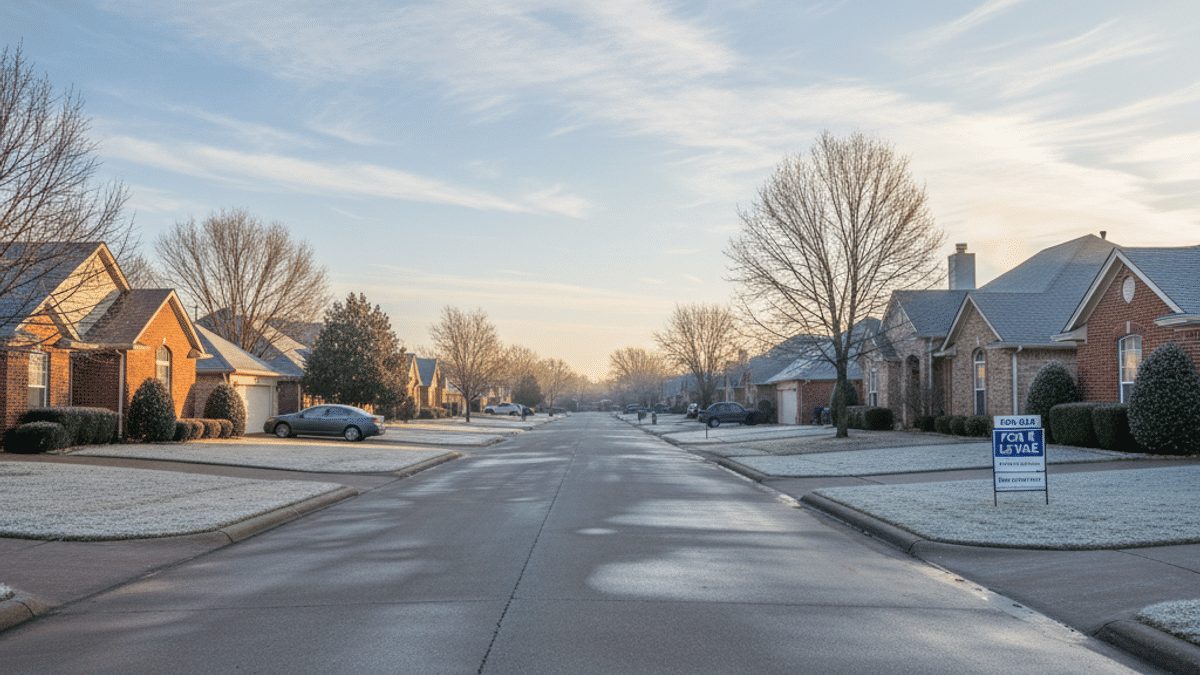
Mid-December through January? Quiet streets, bigger jackets, serious bargains. More buyers hibernate than sellers do. Those who stay active see list prices that read like late-night clearance racks. You give up some choices, you pocket extra leverage. Simple as that.
Takeaway: The calendar matters, but only when you pair it with what Hallsville’s people are actually doing right now.
Different Homes, Different Clocks
Single-story starter on a quarter acre
• Prime for the spring stampede. Young buyers want the keys before summer BBQ season.
• Wait until July, and you’ll face fewer offers but also pickier eyes about the dated carpet.
Upscale acreage west of Route B
• These places linger. High price tags plus small buyer pool.
• Listing in May looks logical, yet October works too because serious move-up buyers finally sold their old house and show up with cash in hand.
Town-center condo alternative (yes, we have a few)
• They behave like utility players. Winter sales happen because downsizers hate mowing in March.
• Investors hunt them all year, especially when university enrollment spikes and rental demand perks up.
New construction
• Builder release schedules trump everything. You can lock a framed-up spec in bleak January and close before the fourth-of-July fireworks.
• Incentives rise when the builder’s quarterly numbers lag. I’ve grabbed closing-cost credits on a random Tuesday in November while the model-home balloons were deflating.
Point is, “best time” isn’t one-size. Match your property type to buyer behavior, then aim for the window when those buyers feel the most urgency.
Micro-Timing: Weeks, Not Months
Early spring vs late spring matters. First two weeks of March? Eager buyers, but they still expect inspection wiggle room. Mid-April? FOMO peaks, so a house in great shape can blow past list in forty-eight hours.
Holiday weeks create hidden lanes. Day after Memorial Day, fresh listings sit quiet because folks travel home. Same story Thanksgiving week. List on that Tuesday and your Zillow views look sleepy, but the handful of die-hard shoppers surf in peace and write cleaner offers.
Watch the school-year bell. Right after the August registration deadline, families freeze. Mid-September unlocks newfound patience. They’ll tour on weekends, mull numbers, then pounce before Halloween to move during the fall break.
Even weather shifts shake things up. A surprise snowstorm in mid-February keeps half the showings off the books and hands brave buyers a discount. Storm passes, deals tighten again. Timing can flip in forty-eight hours, so stay nimble.
Reading the Heat Like a Local
Skip the headline data dump. Instead, pop open the Hallsville MLS every morning for one week and jot:
• New listings
• Price adjustments (especially drops)
• Back-on-markets
• Days from list to pending
You now see velocity. If three-bedrooms under 350K all go pending within four days, you’re in a seller-skewed pocket. If they linger beyond ten, buyers gain ground.
Next, pull recent comps—last sixty days only. Compare list price to sale price. A 103-percent ratio screams competition. Anything under 98 percent means negotiation room.
Layer in showing feedback from agents. Are people nitpicking grout lines? Or waiving radon tests? That buzz is better than any quarterly report.
Finally, eyeball mortgage-rate chatter. Rising rates cool demand first at the lower end; dropping rates ignite entry-level chaos. You can ride those waves if you watch the weekly Freddie Mac survey and local lender pipelines.
Prepping the House for the Right Window
Let’s say you aim for the late-March surge. Work backward.
• Eight weeks out: schedule the handyman and painter. They book fast once tax refunds hit.
• Five weeks: yard cleanup, new mulch, power-wash the siding. Winter grime shows up on listing photos like a bad filter.
• Two weeks: staging tweaks, pro photography. Overcast day? Reshoot the front pic. Trust me, it matters.
• Go live on a Thursday morning. Friday night showings fill, Saturday open-house buzz builds, Monday offers roll in.
Targeting November instead? Flip the script.
• Highlight cozy spaces: gas fireplace on, warm lighting.
• Offer flexible closing, maybe a rent-back through New Year’s so buyers avoid holiday moving chaos.
• Schedule inspection early. Thanksgiving week brings skimpy contractor availability. Buyers love a clean, pre-emptive report.
Preparation anchored to timing creates momentum your listing can ride.
Buyers: Working the Off-Season
Winter shopping is not for the faint of heart, yet it unlocks perks.
• Less competition equals calmer tours. No overlapping showings with ten cars lining the curb.
• Sellers proved motivation by braving December. They listen to repair requests.
• You can write a longer inspection window because nobody’s circling to steal the deal.
• If you time closing mid-January, movers discount rates, and contractors have openings before spring crush hits.
The downside: slim pickings. Accept fewer options or expand your radius. Some shoppers write letters; others flash strong earnest-money to keep the seller from relisting in March. Pick your lever.
When You Must Both Buy and Sell
Your current roof goes on the market Friday, the dream house you love lists Sunday—classic dual juggle. Strategies:
Bridge loan
• Short-term funds let you buy first, sell later. Costs more upfront, saves gray hair.
Sale contingency
• Offer on the next place subject to selling yours. In April that feels weak. In October it can fly.
Rent-back
• Close, hand the buyer the deed, and stay sixty days while you shop. Low-inventory months make this attractive because buyers want the contract locked, even if keys wait.
Temporary housing
• Short-term rental in Columbia or an Airbnb on a farm road. Not glamorous, but avoids hasty choices.
Pick the route that matches your risk tolerance and cash flow. And decide fast; dual moves tighten timelines.
Investors Versus Primary-Home Folks
Investors obsess over numbers, not months. They chase cap rate and equity spread. December, May, midnight—makes no difference if the spreadsheet pencils.
They love:
• Mid-summer price reductions on stale flips.
• January tax-loss listings.
• Any pocket where rents jumped but prices lag.
Primary-home buyers, meanwhile, weigh commute patterns, local events, and holiday traditions. Their “best time” aligns with life milestones: promotions, babies, college move-ins. Both groups coexist, yet their timing motivations rarely collide, so each can operate without tripping the other.
Common Hallsville Timing Mistakes
1. Chasing last spring’s pricing into late summer. Markets shift mid-year. That April high watermark fades fast.
2. Listing the week before Fourth of July without fireworks-level marketing. Everyone’s at the lake. Your DOM counter keeps ticking.
3. Ignoring mid-week new listings. Great deals hit on Wednesdays when buyers are distracted by school events.
4. Over-trusting national headlines. Hallsville inventory swings harder in percentage terms because the base is small. One subdivision’s surge can skew the whole zip-code stat.
5. Waiting for rates to drop “just one more quarter-percent.” Meanwhile, prices climb two percent and wipe out the savings. Act on what you can control.
Learn from those scars, or you’ll collect your own.
So, When Is the Best Time?
If you want top-dollar as a seller: late March to early May. Prep correctly, nail the price, and you might break the neighborhood record.
If you crave minimal days on market: first half of April. Demand outruns supply, plain and simple.
If you’re buying and hate bidding wars: November through mid-January. Pack a coat, bring a flashlight for those 5 p.m. showings, and negotiate like you mean it.
If you’re upgrading to a bigger place: sell the starter in April, buy the trade-up in August once that tier cools.
If you’re an investor: watch every month, pounce on mispriced listings within forty-eight hours. Opportunity rarely sends a calendar invite.
And if you’re still unsure, track real-time data each week. The market whispers hints long before the quarterly reports shout.
Hallsville may be small, yet its housing rhythm is live, pulsing, and always capable of a quick tempo change. Keep your ear to the ground, stay flexible, and your timing can feel almost magical.
Ready to make your move? Good. The clock’s ticking—just not always the way people think.