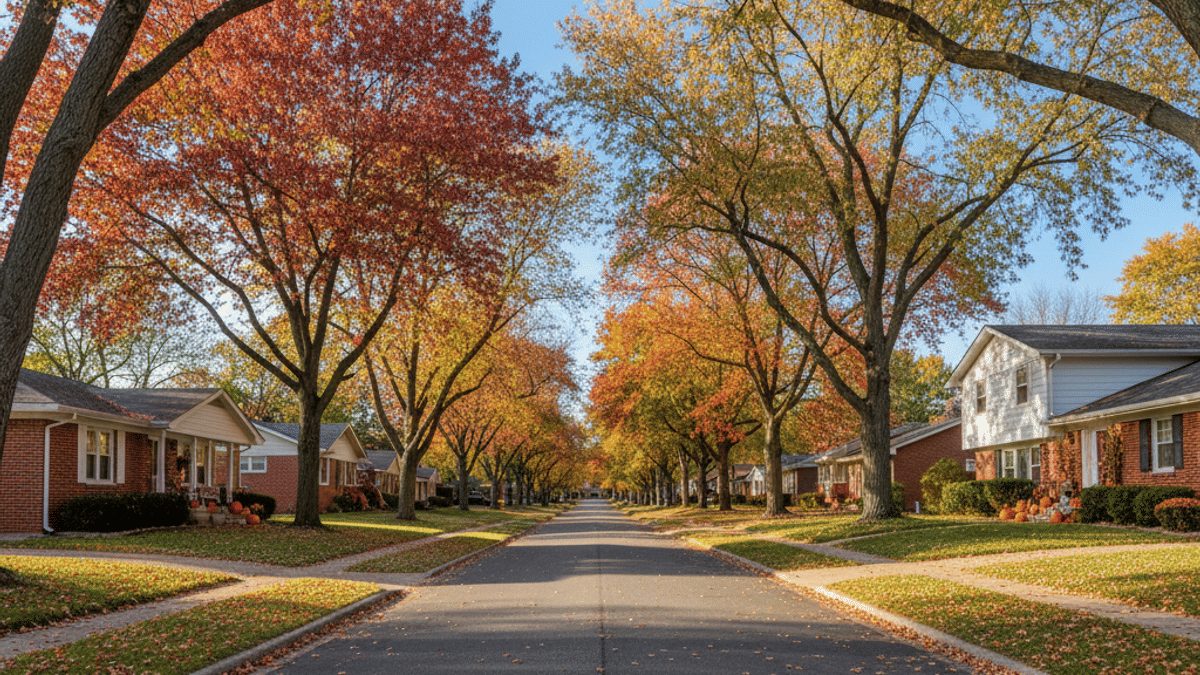

You want the honest answer, not another glossy brochure. You are staring at listings in Columbia, Missouri, wondering if next week or next season will save you five figures. I get it. Timing a home purchase feels like a high-stakes game of musical chairs. While there is no magic date circled in red, the local market does follow rhythms. When you understand those rhythms, you buy with far more leverage and far less stress. This guide breaks down each season in plain English, folds in a few stats you will not find tucked away on page two of a national report, and hands you real-world tactics to pounce when the odds swing in your favor.
The Spring Surge: March through May
Spring is the flashy season. Signs pop up on lawns the moment tulips push through the soil. Sellers have been prepping since January, buyers wake from a winter fog, and everyone piles onto the same merry-go-round. You will hear agents call it “prime time.” They are half right.
What to expect
- Inventory spikes, sometimes by forty to fifty percent compared with February counts.
- Listing photos look sharp, yards are green, driveways are clear.
- Average days on market can drop into single digits for the most popular price bands.
The upside
- Choice. If you want a Craftsman near downtown or a mid-century ranch farther out, odds are a few hit the market in these months.
- Walkability tours. Columbia weather settles into that sweet 60-to-70 range. You can attend three open houses in one Saturday without numb fingers.
- Lender enthusiasm. Mortgage officers chase volume in spring, which sometimes means a lender credit or a rate lock at the lower end of the daily range.
The downside
- Bidding wars flare up. Multiple offer situations spiked by about eighteen percent last April compared with November numbers from the same year.
- Pricing confidence grows on the seller side. Median list prices in Boone County historically run three to five percent higher in May than in January.
- Fatigue is real. You may write four offers and land none if you are not decisive.
Pro move
If spring aligns with your job change or school calendar, get ahead of the rush. Ask your agent to ping you the “coming soon” inventory that hits the private agent network. Many deals are lined up before the public sees them. Beat the herd and you sidestep the full-price frenzy.
Summer Heat: June through August
Sun blazes, the pool is calling, and yet house hunters keep scrolling. Columbia’s summer market feels like spring’s echo with a subtle tilt.
June still sees healthy inventory, but by mid-July the numbers thin. Sellers who listed in March and April either closed or pulled, which means competition thins, too.
Bright Spots
- Relocation deals. University hires and big health-care placements finalize contracts mid-summer. If a newly hired faculty member needs housing fast, their current offer on that property might drop out if closing dates clash. You can swoop in.
- Motivated families. A seller with school-age kids often wants keys handed to the buyer no later than early August. They will negotiate on price just to wrap up before orientation packets hit mailboxes.
- Inspection timing. Dry basements stay dry, so major foundation surprises tend to show up less frequently. Less drama, lower renegotiation stress.
Caution Flags
- Heat hides lawn problems. Brown patches can mask drainage issues that would be obvious in spring. Pay for a local landscaper opinion if you doubt the yard.
- Travel distractions. Key decision makers might be out of town. Delays happen, and delayed deals lose steam.
- Listing fatigue. A house still unsold since April can either be a bargain waiting to happen or a money pit everyone else already noped out on. Dig deep on disclosures.
Quick tactic
Aim for the first half of August. Sellers who struck out earlier often face a ticking clock. Offer a tight-but-reasonable close date and sprinkle in a rent-back option for one week. Flexibility can shave another one or two percent off the price without feeling like a low-ball.
Fall Breather: September through November
Ask any seasoned agent and they will tell you autumn is their favorite buying window. The city calms after the college move-in rush, football wins replace bidding-war grief, and sellers huddle up to revisit expectations.
Why fall feels different
- Listings dip, but so do active buyers. Less noise.
- Price cuts show up. In the past three years, roughly thirty percent of September listings in Columbia recorded at least one price reduction by mid-October.
- Weather still cooperates. You can spot roof issues after the first heavy rain in October and still have time to negotiate repairs before ice forms.
Strong points
- Negotiation edge. You are not running against ten competing offers. Two, maybe three tops.
- Real timelines. Sellers planning a winter out-of-state often need to exit by Thanksgiving.
- Holiday mindset. By early November people start talking family trips, not market metrics. That distraction helps you.
Weak points
- Slower appraisals. Fewer daylight hours limit inspection schedules. Lenders juggle vacation staffing. Build in a cushier closing buffer.
- Limited diversity of stock. If you need a very specific neighborhood, you may wait while scrolling stale repeats.
- Weather swing. Sudden early frost could hide HVAC issues. Insist on a full system check.
Minute Method
Write an offer the moment a decent home crosses seventy-one days on market. That is when carrying costs quietly gnaw at seller morale. Present a solid number, request simple fixes, and you just might bank the best deal of your year.
Winter Power Play: December through February
Snowflakes drift, buyers disappear, and you finally have the floor. Winter house hunting sounds tough, yet it gifts a leverage trifecta: reduced competition, fatigued listings, and tax-planning sellers.
What shows up
- Inventory bottoms out, sometimes as low as half the spring volumes.
- Median prices often slide two to four percent compared with peak spring levels.
- Average seller concession climbs once temps drop below freezing.
Why you should care
- Sellers are serious. No one shovels a walkway and keeps heat blasting for “just browsing” strangers.
- Quick closings. Lender pipelines slow, so appraisers pick up orders faster than you expect.
- Numbers advantage. January sales historically record plenty of under-asking deals. Last year, forty-six percent of January closings in Boone County landed below original list.
What might trip you up
- Ice masks roof valleys and gutters. Inspection scope cameras help, budget the extra hundred bucks.
- Moving companies charge winter premiums if snow falls mid-week. Book early or rope in friends.
- Holiday obligations. Everyone from the title closer to the seller’s cousin vanishes for New Year gatherings. Expect odd gaps in communication.
Ice-cold strategy
Search for listings first published between October twenty-fifth and December fifth. That short window often overlaps with turkey dinners, meaning showings were light. Offer in early January when those homes have lingered sixty-plus days. Many sellers cave on price and cover a chunk of closing costs.
What Changes the Game in Columbia
Seasonal swings matter, but Columbia has its own wild cards. Track these and you hold the cheat codes.
Job Announcements
Major additions by health-care systems or tech firms ripple through neighborhood demand. A two-hundred-employee expansion can tighten inventory near the new worksite faster than regional averages suggest.
University Calendar
The University of Missouri funnels thousands of students, staff, and visiting professionals into short-term leases and long-term purchases. Lease expirations cluster around July thirty-first. That is why mid-summer spikes in closing activity almost always show up on local charts.
New Construction Releases
Developers in south Columbia load their release schedules for spring, yet slash incentives in late fall to wrap financial statements. Those incentives sometimes include upgraded appliances, bigger landscape packages, or full closing-cost coverage. Watch for signage or connect with on-site reps quietly.
Interest-Rate Flutter
A single quarter-point swing can mean seventy to eighty dollars on a typical Columbia mortgage payment. Buyers who locked six weeks earlier occasionally back out when rates dip. Their lost deposit could become your instant discount if you are quick.
Local Policy Shifts
City Council revisions on zoning around the Business Loop or new mixed-use overlays near Grindstone Parkway can reroute demand in a snap. Keep one eye on council meeting recaps. The information advantage can earn you a bigger equity bump later.
Ready to Pull the Trigger?
The best time to buy a house in Columbia, MO is less about chasing a date and more about aligning personal readiness with market rhythm. Spring delivers variety. Summer rewards flexibility. Fall hands you negotiation muscle. Winter gifts you leverage that calculators rarely predict.
Action Checklist
- Pick your season based on your timeline, but stay fluid.
- Subscribe to off-market alerts. The best deals often skip the big portals.
- Track local job and zoning news. That intel is gold.
- Keep pre-approval ready. A twelve-hour delay can cost thousands in spring.
- Inspect like a hawk in winter, budget extra time in fall, pounce fast in summer.
You now hold a street-level view of Columbia’s housing tempo. Use it. Whether you write your first offer next week or next quarter, lean on the patterns shared here. They came from hard data, trench stories, and deals won by buyers just like you. Go get the keys.