You’re eyeing Columbia, Missouri. Maybe you’re relocating for that new gig at the university hospital, maybe you’re done with the interstate grind and want a mid-sized city that still feels like a college town. Either way, the first question that pops up: “is it safe Columbia?” Let’s tackle it head-on and skip the brochure fluff. Real talk only.
Columbia’s Safety Mood Swings: Block by Block, Sunup to Last Call
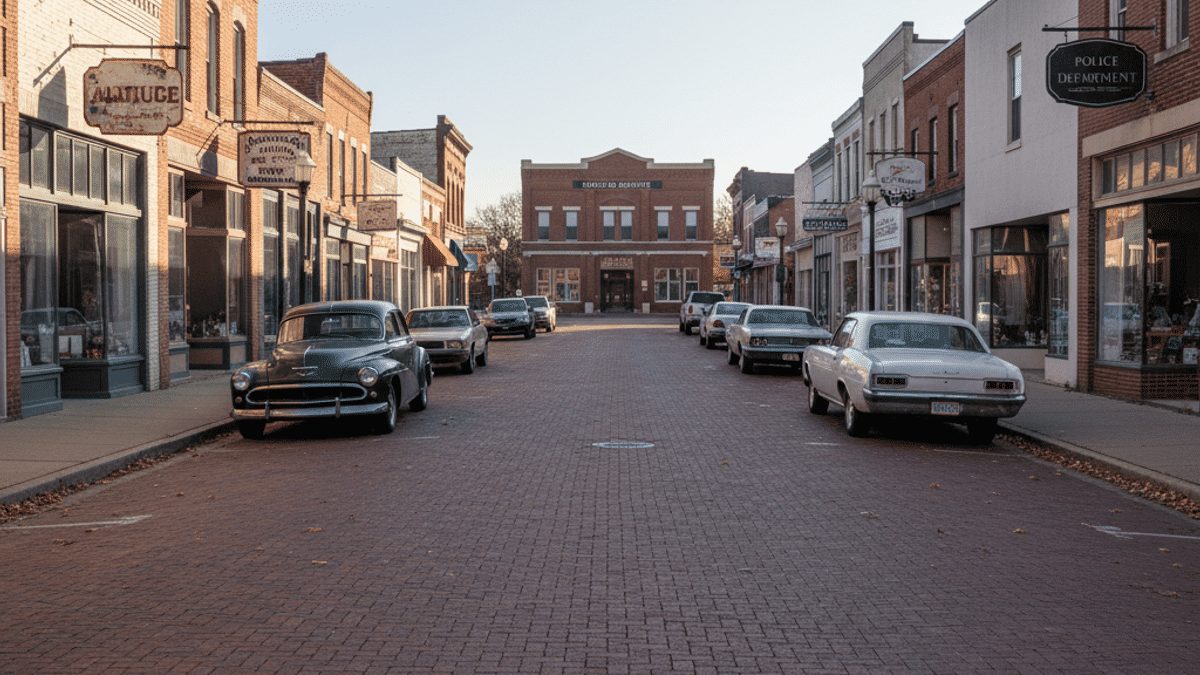
Columbia wears more than one face during a 24-hour cycle. Walk through The District at lunchtime and you’ll catch moms pushing strollers, students rushing to classes, baristas shouting drink names. Swing back at 1 a.m. on a Saturday and the same stretch can feel louder, looser, and—let’s be honest—edgier.
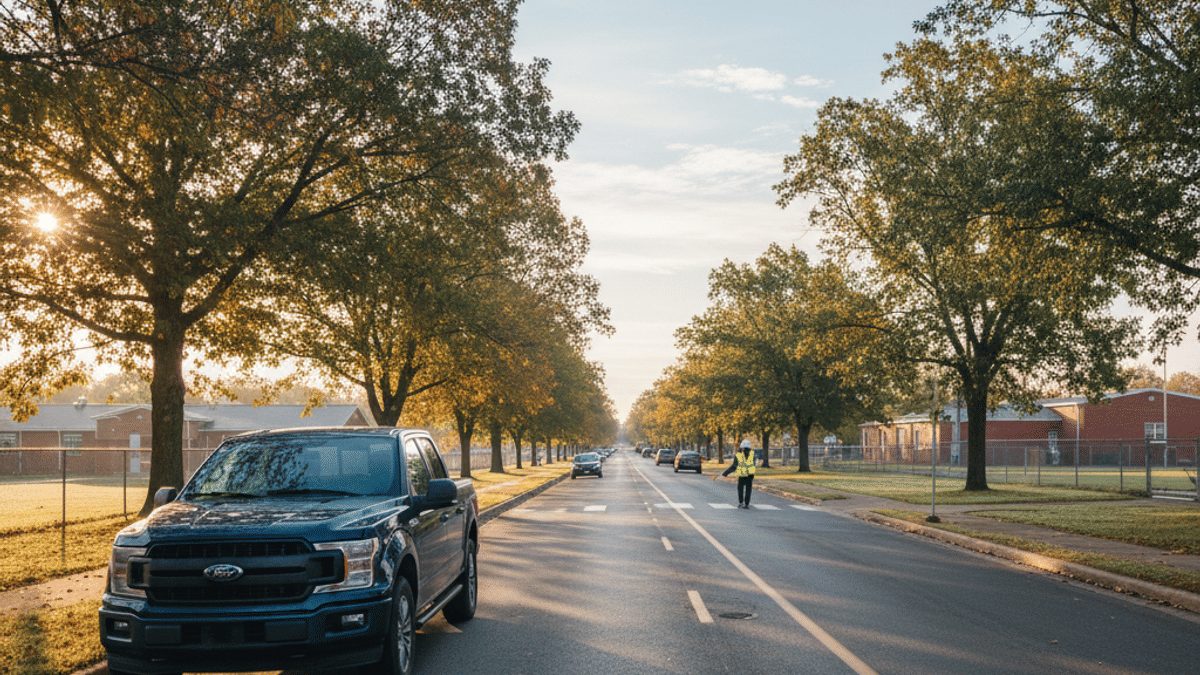
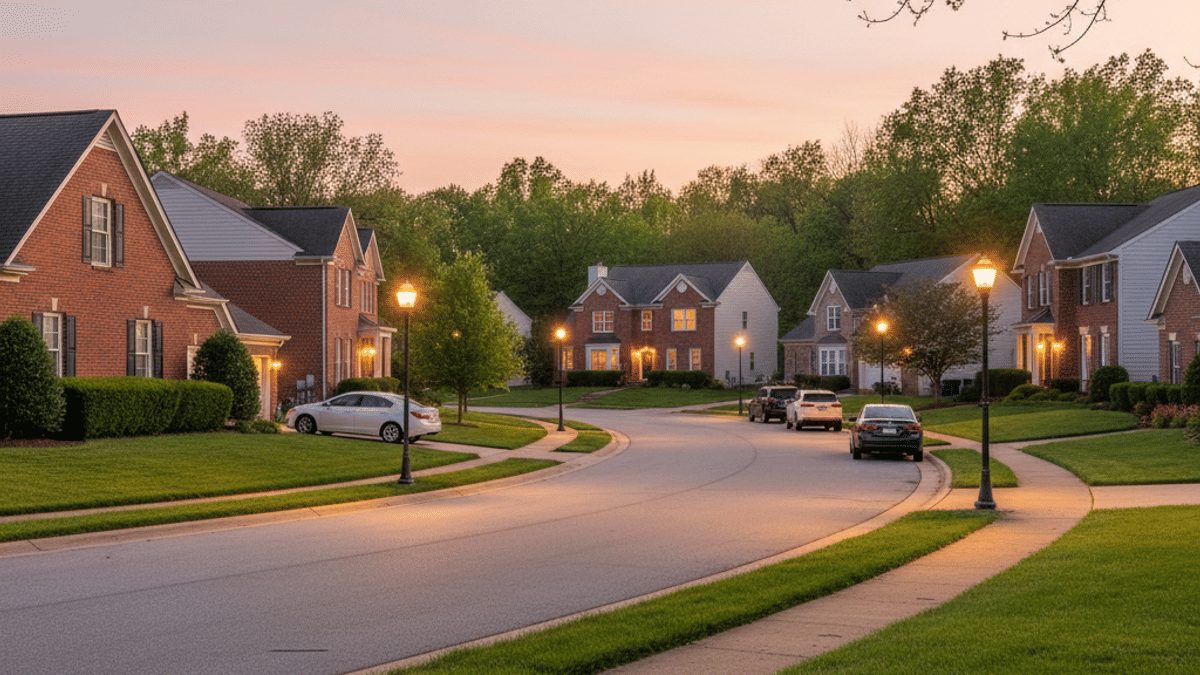
A mile away, quiet cul-de-sacs just west of Stadium Boulevard barely notice the downtown pulse. Streetlights are bright, neighbors wave, Amazon vans roam freely. Yet jog a few blocks east toward the Business Loop, and you’ll see extra security cameras above convenience-store doors. The vibe changes that quickly. Columbia isn’t dangerous across the board, nor is it uniformly calm; it’s a patchwork that rewards a curious newcomer who’s willing to wander, observe, and ask locals for the unfiltered scoop.
Key takeaway: Safety here isn’t a city-wide constant—it’s hyper-local. If you’re house-hunting, park on the street you’re considering around ten at night. Listen. Are students pouring out of duplexes? Are cars cruising too fast? Do porch lights stay on? That one hour will teach you more than any glossy market report.
Crunching Numbers Without Letting Them Freak You Out
Let’s zoom out for a minute. Columbia’s latest public data shows property incidents—car break-ins, package thefts, shoplifting—outnumber violent incidents roughly four to one. The numbers wobble each year, but that ratio sticks. Some highlights:
- Overall reported incidents land Columbia in the middle of the pack when lined up with cities of similar population.
- Property trouble clusters around high-traffic retail corridors: Stadium Boulevard, the Grindstone shopping area, North Range Line. Easy targets, easy getaways.
- Violent incidents spike in late summer and early fall, right when student housing fills up and bars throw welcome-back events. Seasonal swings matter.
Stats help, but they don’t answer the gut question: will you feel at ease walking the dog at 10 p.m.? That depends on micro factors numbers can’t capture—street lighting, sightlines, foot traffic, and whether neighbors naturally look out for each other.
When you read a ranking—say, “City X sits in the 48th percentile for violent crime”—remember three things:
- Different cities report in different ways. A city with aggressive reporting can look “worse” than a place that under-reports.
- Rankings lump neighborhoods together. A quiet block of ranch-style homes can sit three minutes from a trouble-spot and still score the same grade.
- Year-to-year swings might be single-digit, but bloggers love a headline. Always peek at a five-year trend line instead.
Bottom line: Use the data as a map, not a verdict. Then ground-truth what matters to you.
What Locals Actually Lose Sleep Over
Talk to long-time Columbians and a pattern emerges. Here’s what pops up in neighborhood Facebook chats and morning coffee gossip:
- Car prowls. Unlocked doors invite rifling, especially near student rentals where visitors forget valuables on seats.
- Porch pirates. Online shopping boomed, so did stoop theft. Security cameras help, but two-day delivery means boxes often sit outside for hours.
- Late-night scuffles near bars on Broadway. These are usually fights that fizzle fast, but they draw police lights and Instagram videos.
- Speeding on Providence Road, Stadium Boulevard, and Nifong Boulevard. Pedestrians complain about crossings that feel like Frogger.
- Catalytic-converter theft in big parking lots (hello, mall lots and commuter lots). Easy money for thieves, frustrating for owners.
Notice anything? None of these worries mention an entire neighborhood being off-limits. They’re situational, time-of-day, or “lock-your-stuff” concerns. Which means proactive habits go a long way.
Daylight Walk-Through vs. Midnight Test Drive
Here’s a two-step ritual seasoned renters and buyers swear by:
- The daylight walk-through. Stroll the block during business hours. Note yard upkeep, sidewalk cracks, chatter from porches, barking dogs. Does traffic crawl or roar? Are there storefronts within a ten-minute walk, or would you be fully car-dependent?
- The midnight test drive. Same street, different world. Check lighting—are tall oaks blocking streetlamp beams? Are houses lit, or does the street rely on a single flickering bulb? Do you see ride-share drivers idling or strangers cutting through? You’ll feel your shoulders relax or tense up instantly. Trust that instinct.
Repeat that pair on a weekday and a weekend. Columbia hosts Mizzou football, graduation, and a film festival—population surges change street rhythm fast. Better to sample multiple snapshots.
Navigating Nightlife Hot Zones Without Missing the Fun
Downtown Columbia—or “The District” to locals—packs more bars per block than most towns its size. The energy is why people move here, and also why late-night caution matters. If you plan to live nearby:
- Map well-lit routes from your potential apartment to any parking deck. Parking decks have cameras and patrols, alleys often don’t.
- Know bar close. A 1:30 a.m. exodus floods sidewalks. If you like calm, plan your walk home for 1:15 or 2 a.m., not the mad crush in between.
- Rideshare surge pricing spikes post-game nights. Have a backup plan—a designated driver roommate, or a willingness to wait twenty minutes until rates drop.
- Keep headphones off. Ambient awareness beats noise-canceling earbuds every time when crowds thin out.
People who treat The District like any big-city nightlife strip—eyes up, phone tucked away, small groups—rarely run into trouble. It’s the “nothing happens in a college town” crowd that gets sloppy.
Suburban Pockets, Rural Fringes, and That I-70 Divide
Veteran Realtors break Columbia into three rough zones: north of I-70, the central core, and south of Stadium Boulevard. It’s an oversimplification, yet it does capture different daily rhythms.
North of I-70
- Larger lots, more industrial edges, fewer streetlights.
- Logistics parks hum early morning. Some shoppers avoid the Business Loop after dark because traffic thins out fast.
- If you crave elbow room, you’ll find it, but plan on driving everywhere.
Central Core (roughly Stadium to I-70)
- Mix of historic homes, student rentals, and infill townhomes.
- Streetlights aplenty, sidewalks mostly intact, but parking tight.
- Noise swings from pin-drop quiet to frat-party row depending on the block.
South of Stadium
- Newer subdivisions, manicured lawns, strict HOA lighting standards.
- Main complaint isn’t crime—it’s speeding commuters and limited crosswalks.
- At night, these streets can feel deserted. Great for star-gazing, less great if you lock yourself out and need a spare key from a neighbor.
Again, labels like “north is X, south is Y” miss nuance. There are serene pockets north of the interstate and rowdy cul-de-sacs south. Use them as conversation starters, not conclusions.
Traffic, Lighting, and Other Overlooked Safety Ingredients
Columbia’s city council keeps adding flashing pedestrian beacons at major crossings, but several gaps remain. If you’re all about walkability, scout these details:
- Crosswalk countdowns. Providence Road at Stewart sees high foot traffic, yet impatient drivers scoot through yellow lights.
- Sidewalk continuity. Grindstone area looks pedestrian-friendly on a map, until sidewalks vanish behind construction fencing.
- Streetlight height. Older fixtures sit high and cast wide pools of light; newer LED posts sometimes create bright-dark-bright patterns that hide potholes.
Driving? Note that winter gets icy without warning. Salt trucks hit main arteries first, leaving neighborhood hills slick. A garage or covered carport isn’t just a convenience—it reduces both weather damage and opportunistic break-ins.
Bike commuter? The MKT Trail is fantastic, but exit points near Flat Branch can feel isolated before sunrise. Many riders attach compact strobes front and rear, even on daylight lunch rides.
How Columbians Watch Out for Each Other (Without Being Nosy)
Neighborhood associations here run the gamut: hyper-organized boards issuing newsletters, all the way down to loose groups who just share lost-dog posts. No matter where you land, plugging into one beats flying solo. Here’s why:
- Garage-door left open at midnight? Someone will text you.
- Package sitting too long? A neighbor might hold it if porch theft has flared up.
- City council hears a proposal for a new roundabout? Association emails alert you, and safer traffic flow often follows.
Look for signs of casual connection: porch gatherings, chalk art on driveways, holiday lights that match across multiple yards. Those seemingly small gestures hint at a network willing to speak up if something feels off.
Quick-Hit Tips for Prospective Buyers and Renters
- Tour at three different times—weekday morning, Friday evening, Sunday midday.
- Check the city’s open-data portal. Look at the heat map, then click individual incident points. The context matters.
- Drive the surrounding blocks. A spotless street can sit next to one under construction, and construction brings temporary darkness and detours.
- Talk to a mail carrier. They see everything from loose dogs to clusters of break-ins. A two-minute chat equals weeks of guesswork.
- Measure porch-light brightness at night. Some bulbs give off a faint amber glow; an LED upgrade costs ten bucks and boosts curb visibility.
- Ask if the HOA or landlord covers motion lights. Simple deterrent, big peace-of-mind boost.
- If you depend on on-street parking, note street-sweeping days. Cars left untouched can look abandoned, and thieves notice patterns.
The Student Factor: Blessing, Curse, or Both?
Mizzou, Stephens College, and Columbia College inject energy and dollars. They also mean population churn every August and May. Fresh faces bring cars packed with laptops, gaming consoles, and bikes—all prime targets until folks settle into local norms.
Does student turnover make a neighborhood unsafe? Not by default. It does mean:
- Moving trucks block sightlines on narrow streets during peak arrival days.
- Parking spots tighten, leading some residents to leave their car a quarter mile away, out of view.
- Weekend noise complaints bump up from May through early October while new students test boundaries.
If the student vibe excites you—think live music, food trucks, pop-up art shows—living near campus rocks. If your dream is early bedtimes, consider edges of town or subdivisions with tighter rental restrictions.
Why Many Residents Say “It Feels Safer Than the Numbers Look”
Chat with locals and you’ll hear a theme: incidents happen, but you usually see them coming. Car prowl patterns, late-night bar fights, porch theft upticks—all trend with predictable catalysts. Stay tuned in, adjust habits, and you dodge most headaches.
Columbia lacks sprawling anonymous zones where nobody knows anybody. Even downtown, bartenders and bouncers greet regulars by name. That social fabric fosters accountability—the good kind.
Add in a police department that posts daily blotters and a city that streams council meetings: transparency helps residents adapt quickly.
So, Is It Safe Columbia? Final Word
Short answer: Columbia demands the same street smarts any vibrant mid-sized city asks for. Lock your car, light your porch, avoid dark shortcuts after last call. Do that, and odds are you’ll call the place comfortable.
Long answer: Your comfort hinges on the micro-environment you choose. A loft above Broadway, a ranch near a middle school, a five-acre spread north of I-70—they all flip different safety switches. Spend real-world time in each zone before you sign anything. Ask mail carriers. Chat with baristas. Scroll neighborhood forums. Layer that firsthand intel over the raw data, and you’ll see a clear picture.
Ready to dig deeper? Grab a notebook, schedule those day-night drive-bys, and start crossing streets off your shortlist. Columbia rewards the curious. Approach it with eyes wide open, and the question “is it safe Columbia” will turn into “which block fits my lifestyle best?”