You typed some version of “Is it safe Fulton” into a search bar and landed here. Fair. You want the straight story before you drop a down payment, sign a lease, or even book a long-term Airbnb. Let’s walk Fulton, Missouri, the way locals do. No glossy brochure talk. Just sights, sounds, data, and gut feelings.
A Quick Gut Check on the Numbers
The latest statewide database pegs the projected cost of crime in Fulton for 2025 at roughly 646 dollars per resident. That line always catches eyes. It rolls every reported incident—shoplifting, porch piracy, aggravated assault, you name it—into a single price tag.
Before you panic, hold up. A cost-of-crime model piles medical bills, property losses, court expenses, and assorted social impacts into one pot. It does not tell you whether you can walk your dog at 10 p.m. without a knot in your stomach. Nor does it predict how many squad cars you will spot on a Friday night. It is one lens, not the whole picture.
Still, even a single number can be handy. Compare Fulton with Missouri’s statewide tally, which hovers just above 700 dollars per resident, and you see Fulton sitting a notch below the state average. Translation for the non-stat wonks: on paper Fulton is neither a bargain-basement haven nor a red-alert war zone. It is mid-pack.
Street-by-Street Vibes, Day Versus Night
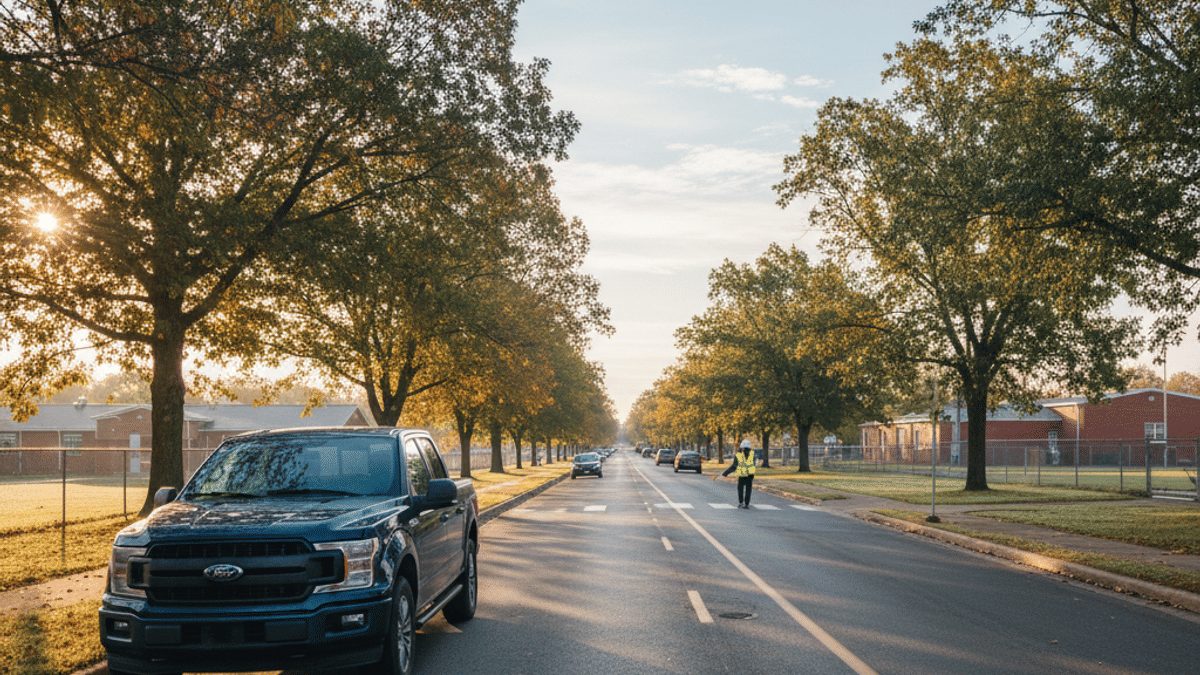
Locals joke that Fulton has two gears: campus buzz and courthouse calm. Westminster College and William Woods University put a steady flow of students, visiting parents, and academic staff into a handful of blocks. The Callaway County courthouse, plus a modest downtown strip, draws lawyers and county employees by day but goes whisper-quiet after 5 p.m.
Morning coffee run
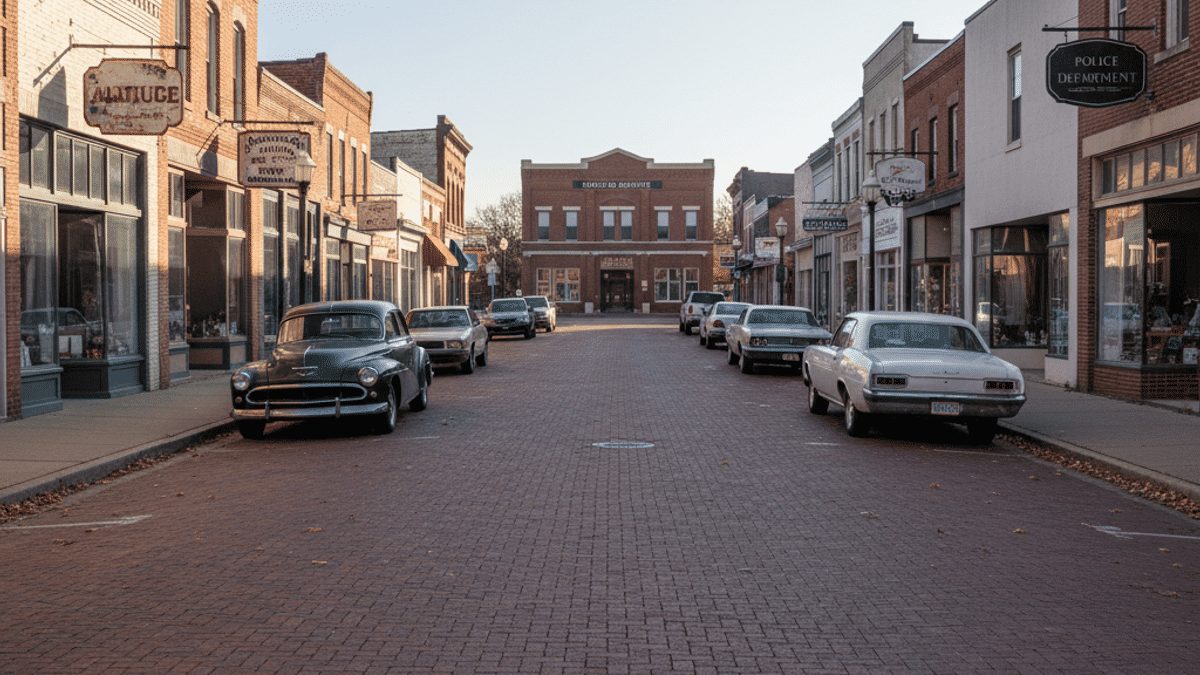
• Brick District around Court Street feels relaxed. Light foot traffic, plenty of storefront eyes, and a police sub-station one block west give most folks peace of mind.
• East Chestnut heads toward older industrial yards. You will notice fewer walkers, more semis rolling out at dawn. Not inherently dangerous, just less traveled.
School-day afternoons
• The campus corridors pick up. Student pedestrians everywhere. Mischief leans toward scooter theft or bike seats gone missing. Shoulder-check your backpack pockets.
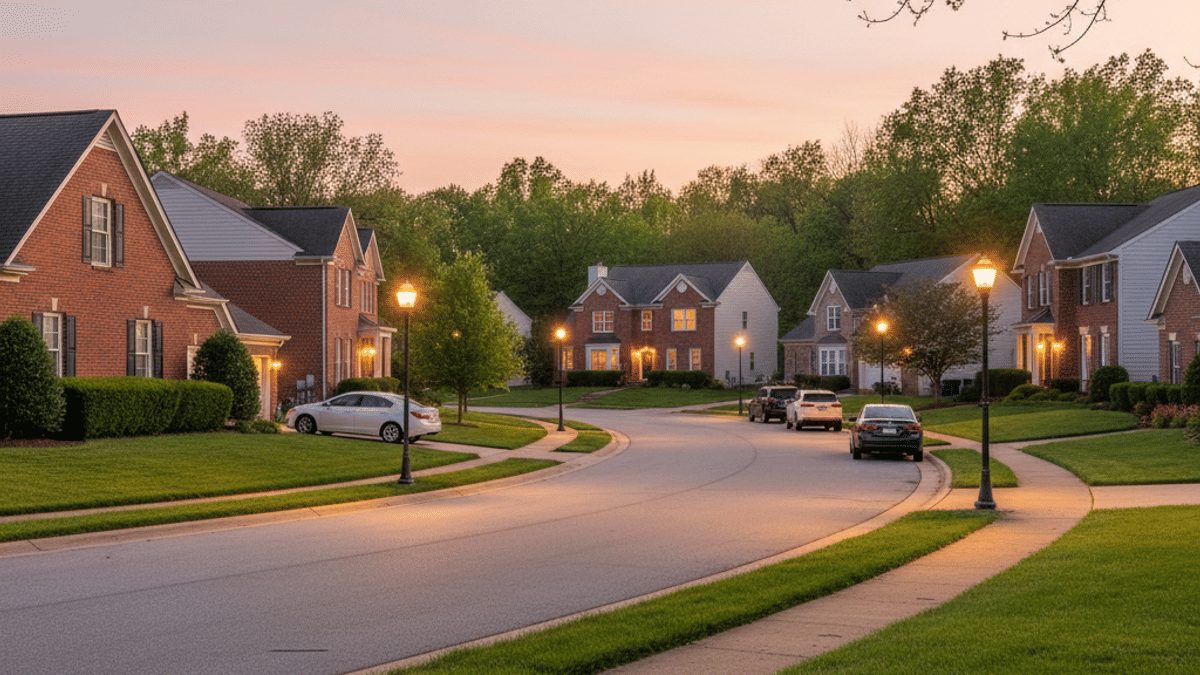
• Residential avenues north of 9th Street stay subdued. Retirees trim hedges, dogs bark, delivery vans cruise slowly. Car break-ins spike here when owners forget to lock up.
Nightfall
• The bar cluster near Market Street livens up Thursday through Saturday until midnight. Loud music, rideshare cars double-parking, an occasional scuffle when patrons spill outdoors. Violent incidents are rare but tempers do flare after last call.
• West St. Eunice feels downright empty after sunset. Fewer streetlights, long gaps between houses, and tumbleweed vibes. Residents suggest walking in pairs mainly because there are so few people around that no one will hear you drop your keys.
Late-night shift workers tell me they stick to Business 54, a well-lit four-lane that slices through town. Not scenic, though easier on the nerves at 2 a.m.
What Folks Who Live Here Actually Say
“Lock it or lose it” comes up in nearly every chat. Not paranoia, just habit. Fultonians do not leave cars running at the gas pump. They yank packages off porches the minute tracking shows delivered. Porch piracy is the comment-board villain more than any headline-grabbing assault.
Block-to-block differences can flip quickly. One resident swears by Oaklawn. Another avoids a tiny stretch of South Westminster because a cluster of vacant rentals looks sketchier than it is. Neither opinion shows up in city spreadsheets, yet you hear these viewpoints again and again.
Neighborhood watch culture here feels informal. It is less about fluorescent vests and more about group texts. A photo of a suspicious van pops into the thread at 7 a.m., and by 7:05 half the street has weighed in. People know each other’s kids’ names. That brand of social glue does not appear in crime tables but it affects how safe nights feel.
Crime Stats Are Only the First Layer
Time for a reality check. Fulton Police Department logged roughly 350 property crimes and just under 60 violent crimes last calendar year. Property incidents make up close to 86 percent of the total. So if you hear a siren, odds favor a burglary, shoplift, or vehicle tampering, not an assault.
Why the skew toward non-violent stuff
• Busy highway arteries. Quick in, quick out means tool thieves dip into parking lots and vanish in minutes.
• A student population that stores laptops and bikes in semi-public spaces. Opportunity invites petty theft.
• Sparse overnight foot traffic in industrial pockets. A dark loading dock can tempt a catalytic converter snatcher.
Now the flip side. Violent crime exists. The handful of aggravated assaults each year often connect to people who already know each other. Domestics, bar feuds, long-simmering disputes. Random stranger-on-stranger violence remains rare but not zero. Never treat any city like a theme park.
How to read the data as a buyer or renter
1. Pull the police blotter for the last six months. Spot repeated cross streets for car break-ins.
2. Drive those blocks at night. Trust your senses about lighting, sight lines, and exit routes.
3. Check the municipal budget. Growing patrol headcount can signal rising concern, but it also shows the city is investing in response.
4. Compare insurance quotes by ZIP. Underwriters bake risk into premiums. A sudden spike tells its own story.
Traffic safety deserves its own paragraph. Business 54 helps commuters but it slices near neighborhoods without pedestrian islands. A kid chasing a basketball has to sprint four lanes to reach the curb. Keep that in mind if walkability ranks high on your checklist.
Hands-On Tips to Keep Your Stress Down
Walk the alley, not just the main drag. Fading floodlights behind grocery stores reveal whether bulbs are replaced on schedule or left to buzz and die.
Visit local Facebook groups. Search “lost dog Fulton” or “found keys downtown.” You will stumble into real-time chatter about prowlers, fireworks, or quinceañera parades. It builds an authentic picture that statistics cannot.
Knock on a door. The Midwest stereotype of friendly stoops still applies. Ask a random gardener if packages go missing. You will know in eight seconds whether that block sticks together.
Map out late-night essentials
• 24-hour gas: Break Time on South Business 54. Bright, busy, and under camera oversight.
• All-night pharmacy: Walgreens closes at midnight so plan ahead for meds.
• Rideshare dead zones: Edgewood northeast dead-ends into farmland. Some drivers refuse to pick up after dark. Flag it now, not at 1 a.m.
Sound matters. A cluster of freight trains rumble past Stinson Avenue every few hours. Many newcomers equate rumble with danger. It is just freight doing its thing. Use it as background music to judge your tolerance for vibration instead of worry about safety.
So, Is Fulton Safe for You?
Only you can weigh a 646-dollar per-resident model against the comfort of neighbors who text each other at the first creak on a porch. One person is fine parking a bike unlocked behind the library. Another bolts the frame to a steel rack. Same town. Different fear thresholds.
Bottom line. Fulton ranks middle-of-the-pack in Missouri on paper. Property incidents dominate police logs while violent flare-ups hover low. Street lighting, traffic speed, and porch piracy are bigger stressors than random assaults. A walk through downtown after supper feels relaxed if you stick near storefronts, though the vibe shifts toward empty once the bar crowd disperses.
Your move. Scout both daylight and late evening. Test cell reception on side streets. Ask the mail carrier what she sees. If Fulton’s rhythm matches your risk meter, you have your answer. If not, keep looking.
Either way you are now armed with hard numbers, soft stories, and practical walk-around advice. Decision time.