Living in Columbia MO: What to Expect as a Resident in 2026
Columbia, Missouri is the kind of city that surprises people. Tucked into the rolling hills of central Missouri along the I-70 corridor, it delivers a quality of life that you would normally associate with much larger metro areas, but at a fraction of the cost and without the gridlock. The city’s population has surpassed 130,000, making it the fifth-largest municipality in the state, and growth shows no signs of slowing as more people discover what long-time residents already know.
What makes Columbia unusual is the depth of its offerings relative to its size. A world-class research university, two additional colleges, a major healthcare system, a thriving downtown district, hundreds of miles of trails, and a cultural calendar that rivals cities twice its population all contribute to a daily life that feels full without feeling overwhelming. Whether you are relocating for work, raising a family, or simply looking for a better balance between cost and quality of life, Columbia deserves a serious look.
Cost of Living
Columbia’s overall cost of living sits approximately 10% below the national average, which means your dollar stretches further here than in most comparably sized cities. Housing is where the savings are most dramatic. At roughly 19% below the national median, Columbia allows families and individuals to secure more space and better locations than they could afford in most university towns.
Monthly expenses average around $2,435 for a single person and $5,362 for a family of four. Groceries run about 3% below the national average, utilities come in around 4% less, and transportation costs stay low thanks to a compact city footprint. The average one-way commute is just 16.5 minutes, compared to the national average of 26.4 minutes. That adds up to roughly 85 fewer hours per year sitting in your car.
Renters will find average monthly rents around $1,100 to $1,400 for a two-bedroom apartment, depending on location and amenities. Homebuyers benefit from a median home price between $302,000 and $350,000, which provides access to well-maintained homes in desirable neighborhoods. Our Columbia housing market guide tracks the latest pricing trends and inventory data.
Job Market and Economy
Columbia’s economy rests on three pillars: education, healthcare, and insurance. The University of Missouri is the largest employer in the region with nearly 12,000 positions across academic, research, and administrative roles. MU Health Care operates a regional hospital network that employs thousands more. Boone Health, the city’s second hospital system, adds further capacity.
Veterans United Home Loans has grown from a local startup into one of the nation’s top VA mortgage lenders, employing thousands in Columbia. Shelter Insurance, MFA Oil, and a growing roster of technology and professional services firms round out the employment landscape. The unemployment rate has consistently tracked well below the national average, sitting near 2.4% in recent years.
The median household income in Columbia is approximately $66,500. While that figure is moderated by the large student population, working professionals and dual-income households typically earn significantly above that figure. The combination of strong earnings potential and a low cost of living creates a favorable financial equation that is hard to find elsewhere in the Midwest.
Neighborhoods and Where to Live
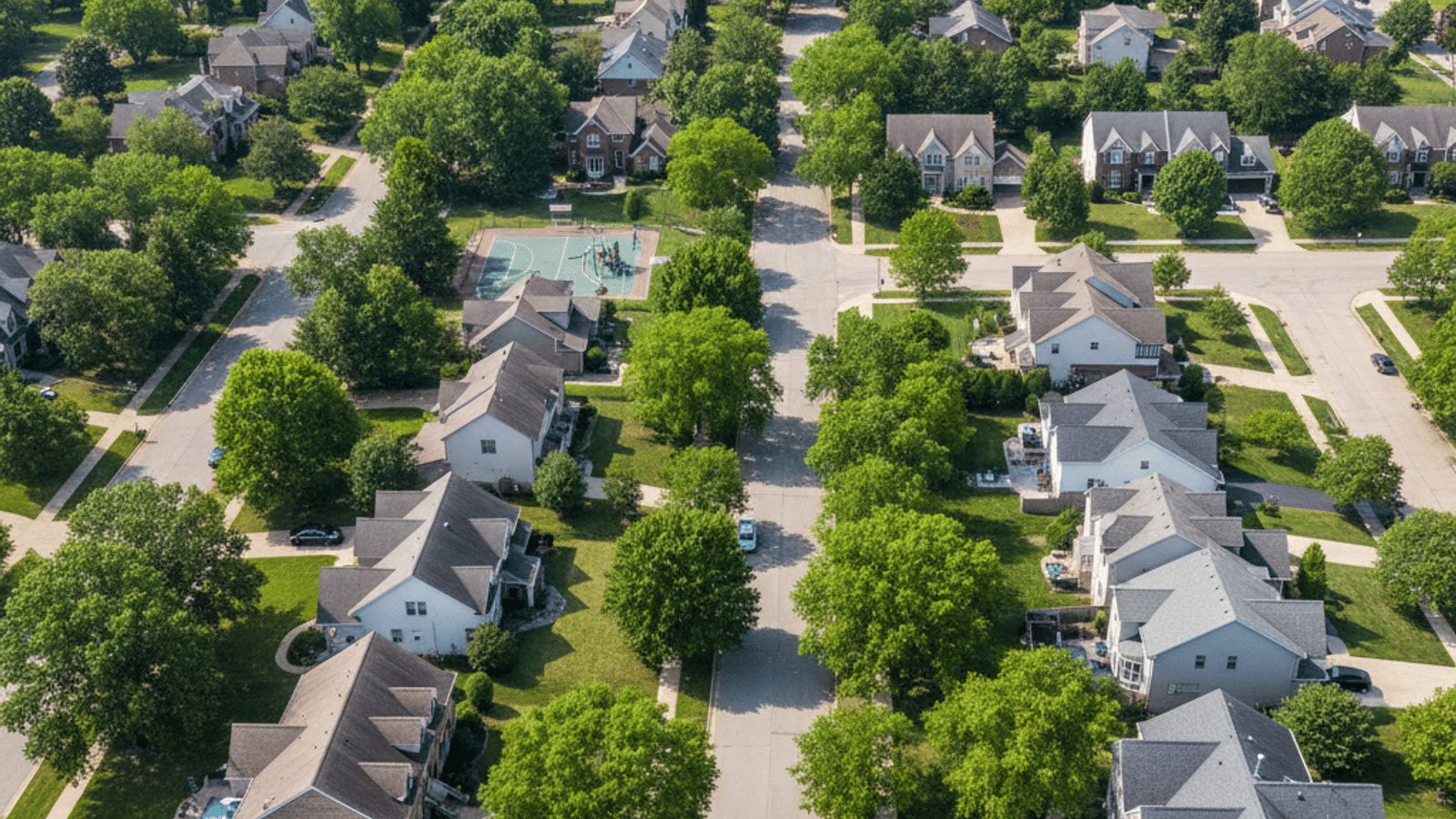
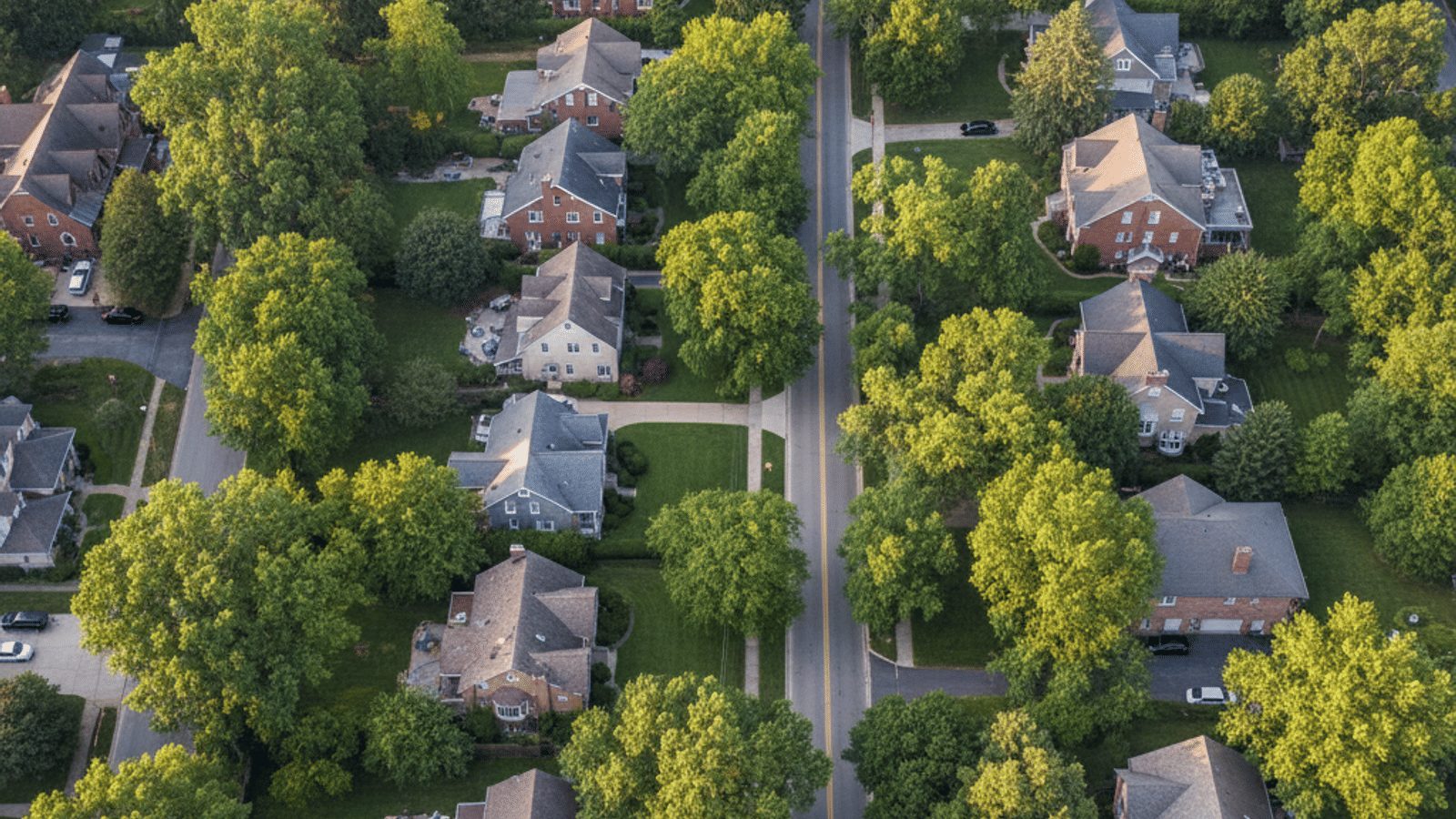
Columbia’s neighborhoods range from walkable, historic districts near downtown to spacious, newer subdivisions on the city’s expanding south and west edges. Your choice of neighborhood will shape your daily experience more than almost any other factor.
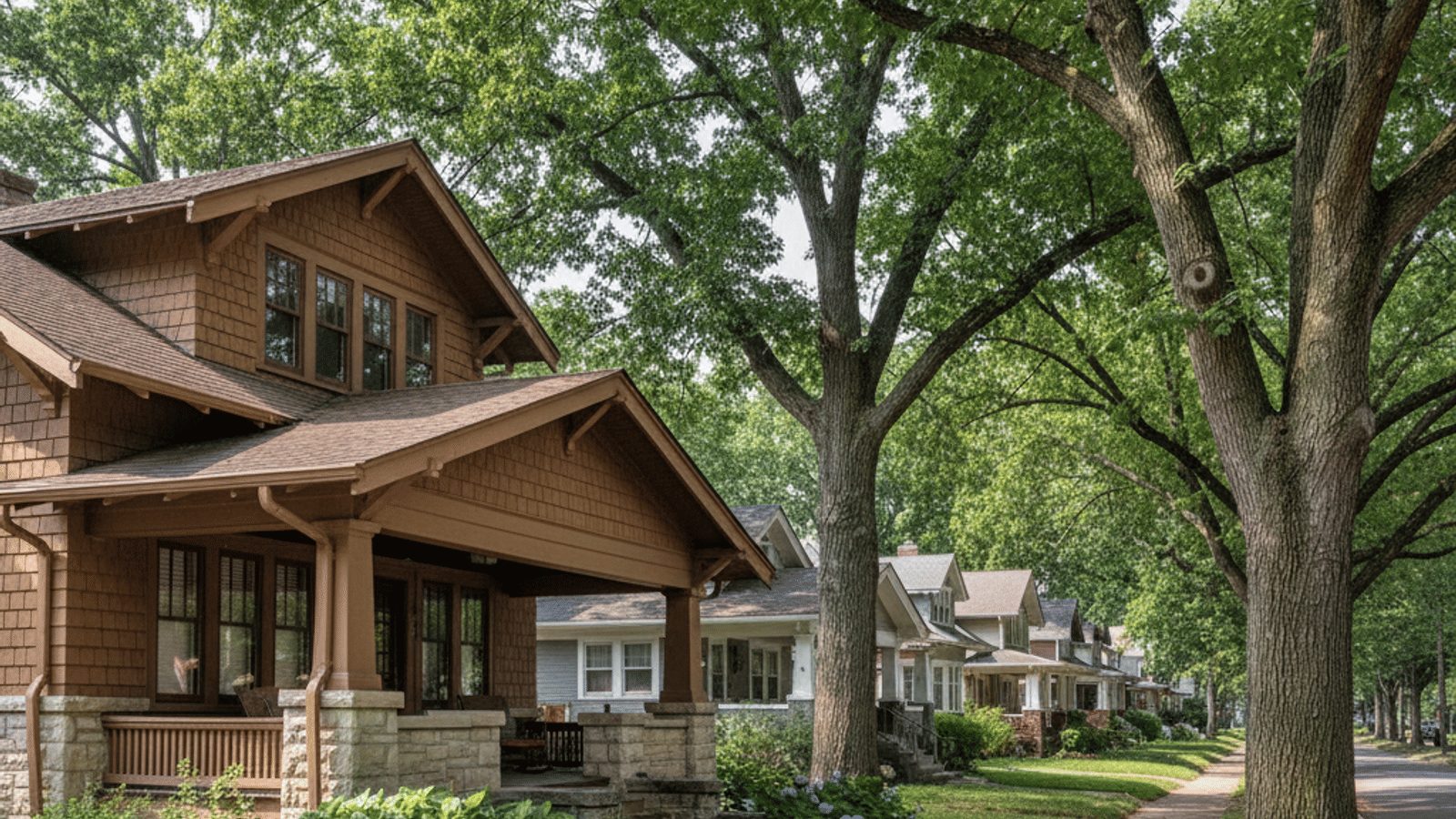
Old Southwest offers tree-lined streets, craftsman-era architecture, and walkability to downtown, schools, and the MKT Trail. Thornbrook provides newer construction, a community pool, and strong school access in southwest Columbia. Benton-Stephens delivers urban convenience at accessible price points for healthcare workers and young professionals. Green Meadows gives families suburban space with mature trees and Rock Bridge school zone access.
Each of these areas has distinct trade-offs in terms of price, lot size, commute time, and school assignments. Our complete guide to the best neighborhoods in Columbia compares every major area side by side with pricing data and school zone information.
Schools and Education
Columbia Public Schools serves the city with consistently well-rated schools across all levels. Rock Bridge High School earns an A rating on Niche with a 95% graduation rate and strong AP course offerings. Hickman High School holds an A-minus rating and anchors the educational landscape for the central and southwest parts of the city.
Both high schools field competitive athletic programs and offer extensive extracurricular activities. The district’s elementary and middle schools also earn favorable reviews, with several earning ratings in the top quartile statewide. Special programs in science, technology, and the arts provide students with options beyond the standard curriculum.
Higher education defines the city’s identity. The University of Missouri enrolls more than 30,000 students and operates one of the most comprehensive research programs in the Midwest. Stephens College specializes in fine arts and performing arts education, while Columbia College serves a diverse student body with flexible programs for working adults and military-connected students.
Recreation and Outdoor Life
If you enjoy being outdoors, Columbia will not disappoint. The city maintains more than 3,400 acres of parkland and over 80 miles of trails. The MKT Trail connects directly to the Katy Trail State Park, which stretches 240 miles across Missouri and ranks as one of the longest rail-trails in the nation.
Rock Bridge Memorial State Park sits just minutes from town and features hiking through forested bluffs, a natural rock bridge formation, and Devil’s Icebox cave system. Stephens Lake Park offers swimming, fishing, and an accessible playground. Cosmo Park provides athletic fields, an aquatic center, and miles of paved walking paths.
Beyond the trails and parks, Columbia supports a strong running and cycling culture. Local running clubs, organized group rides, and annual races keep the community active. The city’s compact layout means you are rarely more than 10 minutes from a trailhead or park entrance.
Culture, Dining, and Nightlife
The District, Columbia’s downtown entertainment and shopping zone, spans roughly 50 blocks and houses more than 600 businesses. You will find locally owned restaurants like Shakespeare’s Pizza, Booches Billiard Hall, and CC’s City Broiler alongside craft breweries, coffee roasters, and boutique shops.
Columbia’s cultural calendar stays full year-round. The True/False Film Fest is an internationally recognized documentary film festival that takes over downtown each spring. Roots N Blues N BBQ brings live music and regional cuisine to the fall. The Missouri Theatre, a beautifully restored 1928 venue, hosts touring performers and community productions throughout the year.
Art galleries, independent bookstores, and live music venues give the city a creative energy that goes beyond what you would expect from a community of its size. The university influence is unmistakable here, bringing guest lectures, visiting artists, and a level of intellectual engagement that enriches daily life.
Healthcare Access
Living near a major university medical center brings real advantages. MU Health Care provides comprehensive services including a Level I trauma center, cancer treatment, cardiovascular care, and specialty clinics. Boone Health offers a second full-service hospital with emergency, surgical, and outpatient facilities.
The concentration of medical professionals in Columbia also means shorter wait times for specialist appointments compared to rural Missouri communities. Dental, vision, and mental health services are well-represented, and the presence of the MU School of Medicine ensures a continuous pipeline of new practitioners.
Weather and Climate
Columbia experiences four distinct seasons. Summers are warm and humid, with average highs in the upper 80s and occasional stretches above 95 degrees. Winters bring cold temperatures, with average lows in the 20s and periodic snowfall, though major accumulations are relatively rare.
Spring and fall are the most universally enjoyed seasons, with mild temperatures, blooming landscapes, and comfortable conditions for outdoor activity. Severe weather, including thunderstorms and occasional tornado watches, occurs primarily in spring and early summer. The city’s central location means it avoids the extremes of both mountain and coastal climates.
Getting Around
Columbia is a car-dependent city for most daily needs, but its compact layout keeps drive times short. The bus system, operated by the city, serves major corridors and connects residential areas with downtown, the university, and commercial districts. Cycling infrastructure has improved steadily, with protected bike lanes appearing on major streets and the trail system offering car-free routes across the city.
The Columbia Regional Airport offers commercial flights with connections to major hubs. Kansas City International Airport and St. Louis Lambert International Airport are each approximately two hours by car, providing access to a full range of domestic and international routes.
Buying a Home in Columbia
The current housing market favors prepared buyers who can move quickly. With a median price between $302,000 and $350,000 and homes spending an average of 35 days on market, opportunities exist but require timely action. First-time buyers should explore homebuyer assistance programs that can provide up to $10,000 in forgivable loans through the City of Columbia.
Working with a local real estate agent who understands Columbia’s neighborhood-level dynamics is essential. Cheryl Maupin and The Milestone Group bring more than 15 years of Boone County experience to every transaction, helping buyers find the right home at the right price. If you are ready to start your search, our first-time home buyer guide walks through every step, and our Columbia community page showcases available properties.
Frequently Asked Questions
Is Columbia, MO a good place to raise a family?
Columbia is widely regarded as one of the best family-friendly cities in Missouri. Strong public schools, abundant parks and trails, low crime rates relative to comparably sized cities, and an affordable cost of living create favorable conditions for families at every stage.
What is the average salary in Columbia, MO?
The median household income is approximately $66,500. Working professionals in healthcare, education, insurance, and technology frequently earn above this figure, especially in dual-income households.
Is Columbia, MO safe?
Columbia’s overall crime rates are moderate for a city of its size. Specific neighborhoods vary, and areas like Old Southwest, Thornbrook, and Green Meadows are among the safest. Local resources are available to help you evaluate safety by neighborhood.
How far is Columbia from Kansas City and St. Louis?
Columbia sits roughly equidistant between the two cities, approximately 125 miles from each. The drive takes about two hours in either direction via I-70.
What are the best things to do in Columbia, MO?
Highlights include the True/False Film Fest, Roots N Blues N BBQ Festival, MKT and Katy Trail for cycling and running, Rock Bridge Memorial State Park for hiking, The District for dining and shopping, and University of Missouri athletics.
Does Columbia have good public transportation?
Columbia operates a bus system that covers major corridors. However, most residents rely on personal vehicles for daily transportation. The city’s compact layout keeps average commute times under 17 minutes.