You want to sell in 2025.
You keep reading that Columbia homes last only about seventeen days on the market. Still, your neighbor’s place sat for six weeks and needed two price drops. What gives? Let’s pull back the curtain on the mid-Missouri market and walk through a plan that tilts the odds in your favor.
Timing: The Hidden Lever
Columbia’s pace in plain numbers
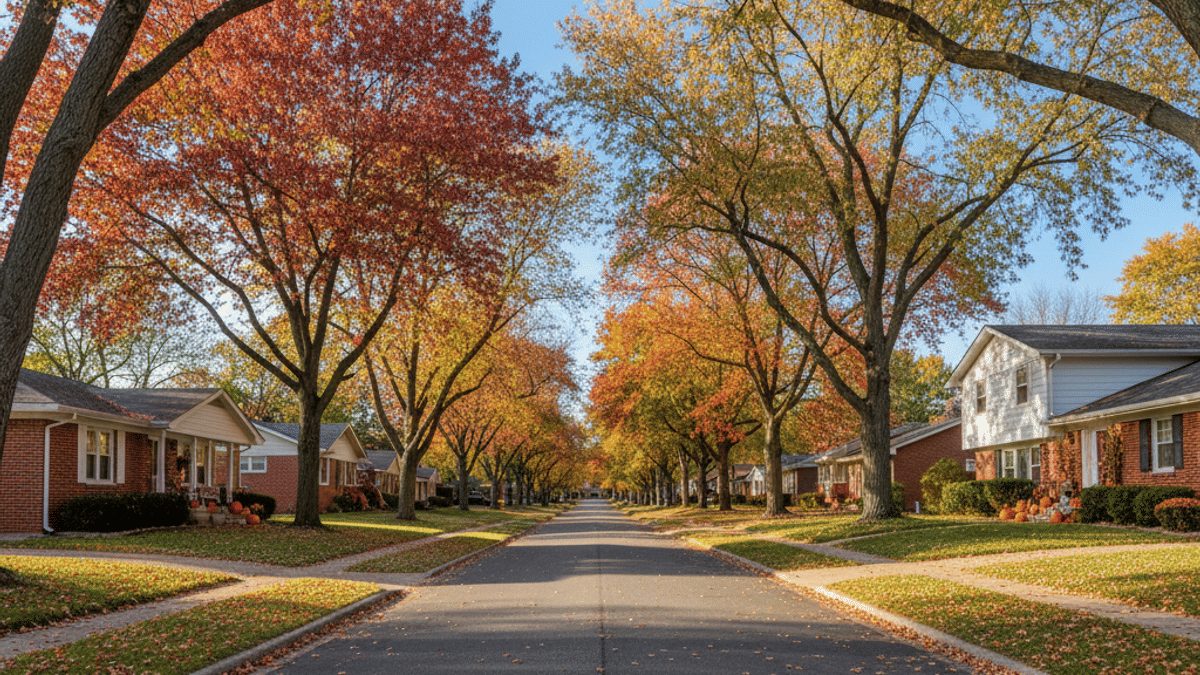
Local listing data from late 2024 shows a median of seventeen days before contract. That figure masks a bigger story. Entry-level ranches south of I-70 often book showings within forty-eight hours. Custom builds north of town sometimes drift past a month. So do not just stare at the headline number. Dig into your price band and ZIP code.
Seasons still matter
Late February to early May brings the largest pool of active buyers. The University of Missouri posts new faculty jobs then, and hospital hires roll in as well. These newcomers scout neighborhoods on their first warm weekend and try to close by July. List during this window if you can.
Mid-summer cools a bit. Buyers who needed to move for school or work have already locked a place. Activity rises again after Labor Day when graduate students and healthcare residents realize they are out of time.
Holiday weeks remain sluggish. Unless you own a showstopper with zero competition, skip listing from the week before Thanksgiving to the first workday of January. Use that stretch to prep, stage, and interview agents.
Local economics to watch
Keep an eye on announcements from the MU Research Reactor expansion and the Swift Prepared Foods plant near Highway 63. Both projects pump hundreds of steady paychecks into the county. A hiring wave means more qualified buyers. Rising mortgage rates can offset that tailwind, so monitor rate trends every Friday.
Plan backward
You want to ride the early spring surge. Count three months from list day back to today. That is your timeline for repairs, staging, and photography. Waiting until the leaves pop will cost you leverage.
First Impressions Hit Hard
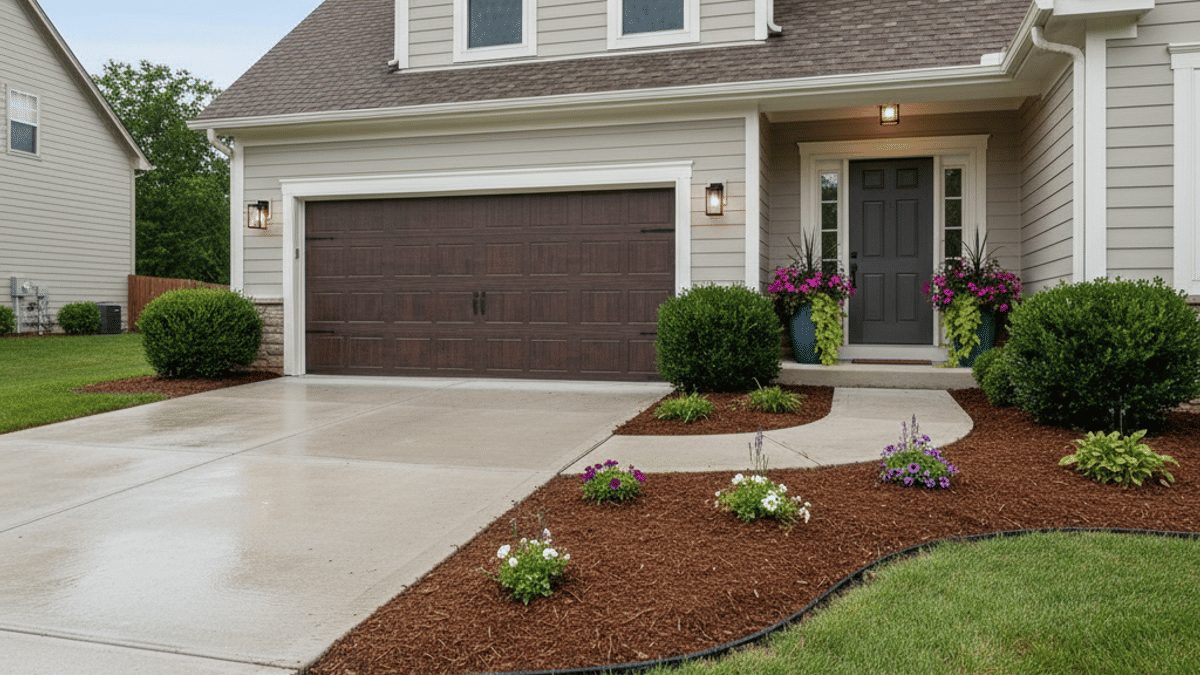
The showing starts at the curb. A cracked driveway, snagged gutter, or crooked mailbox plants doubt before a prospect turns the handle. Columbia winters leave salt stains on concrete and summer humidity feeds mildew on vinyl. Pressure-wash, re-seal, repaint. You will spend less than one mortgage payment and invite stronger offers.
Skip the temptation to install an exotic landscape bed. Buyers see extra work. Fresh mulch, trimmed shrubs, and one color-coordinated potted plant next to the door are enough.
Cold months call for light. Swap every exterior bulb for bright LEDs. Short days will not ruin your evening showings.
Inside, scents do the talking. Columbia’s climate leads to damp basements. Run a dehumidifier from dawn till dusk, bleach any surface mold, and tuck a hygrometer in the corner. A dry reading reassures inspection-savvy buyers.
Fixes That Hand Back Real Cash
You could spend twenty grand remodeling. You could also tighten three cheap screws and score the same net profit. Focus on returns, not vanity.
- Re-caulk tubs and showers. Grimy lines signal deferred maintenance. Materials run ten dollars.
- Replace mismatched switch plates and outlet covers. A five-minute job that makes walls look newer.
- Upgrade cabinet pulls with brushed nickel. Buyers touch them during tours, then remember the feeling when they write an offer.
- Swap dated light fixtures in entry, dining, and hall. Columbia ReStore sells new-in-box options under forty dollars.
Want bigger moves? Fine. Keep them targeted.
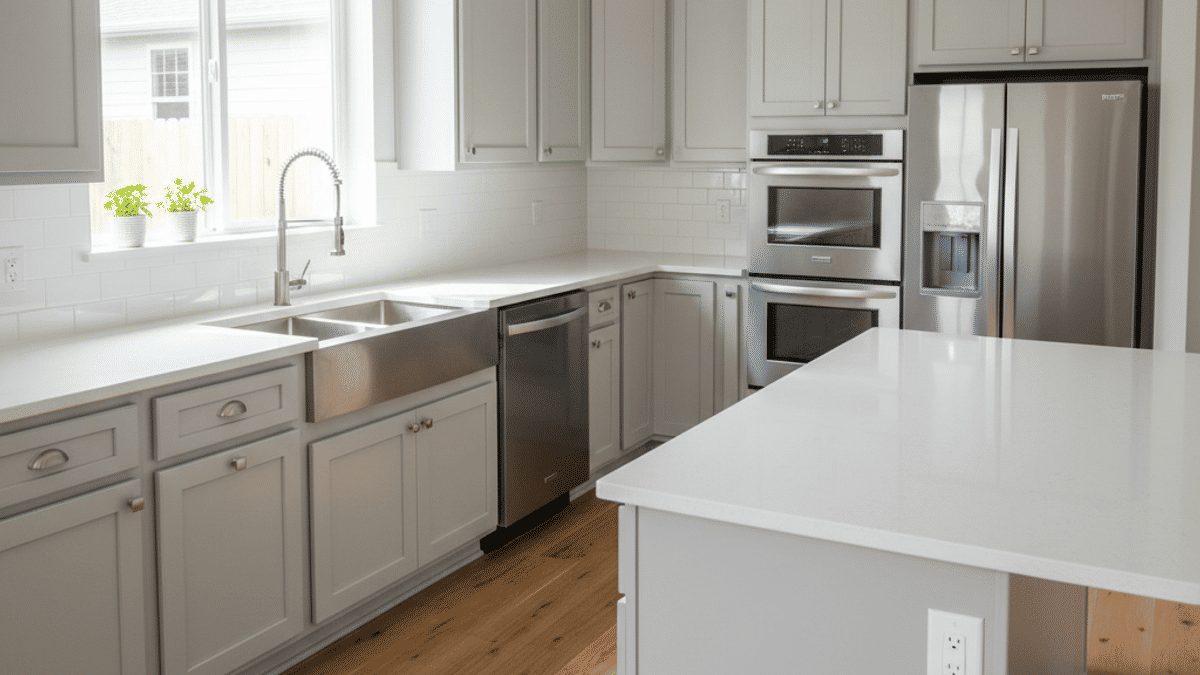
Kitchen counters: mid-priced quartz from a Boone County fabricator costs less than you think in off-season months. Pair that with a stainless sink and you match most new construction without gutting cabinets.
Primary bath: skip tile replacement. Instead install a new comfort-height toilet and a framed mirror. Porcelain paint on existing tile surprises buyers and survives inspection if applied right.
Inspection Surprises and How to Dodge Them
Boone County soil sits on limestone. Radon seepage rates here exceed national averages. Order a radon test before listing. Mitigation systems with PVC venting cost about nine hundred dollars. A pre-installed system steals that objection from any buyer.
Old sewer lines in central Columbia crack under tree roots. A lateral scope costs two hundred dollars. If the camera finds trouble, you can line the pipe for around four grand and advertise brand-new plumbing. That beats a last-minute renegotiation.
Electric panels branded Zinsco or Federal Pacific still lurk in 1970s homes. Swapping the panel keeps deals alive. Local electricians book fast in spring, so schedule early.
Camera Ready? Let Photos Work Overtime
Scrolling buyers decide in three thumb flicks. Columbia’s MLS syndicates to national sites every fifteen minutes, so your listing photos will land on screens before you finish lunch. Spend for a photographer who shoots with wide-angle glass and edits for true color. Drone angles lift acreage or lake views. Twilight shots push urban listings to the top row.
Staging does not mean renting showroom furniture. You can borrow accent pieces from Rhoads or even Target and return them after the open house. Clear half your closet. Buyers in this city rank storage just below school proximity. A stuffed shelf screams “small.”
Pro tip from local agents: leave one Mizzou throw blanket folded on the sofa. It plants a subconscious sense of place without shouting.
Price It Like a Pro
Study the right comps
Do not compare your south-Columbia two-story to downtown loft sales. Isolate comps by style, square footage, and school district. Pull sold data from the last ninety days. In a shifting market, data older than that is stale bread.
A quick math hack: find price per finished square foot of each comp, toss the highest and lowest, average the rest. Multiply by your finished square footage. Round to the nearest thousand ending in 900. That number looks sharper than an even hundred.
Numbers tell a story about days on market
Homes priced within two percent of the average comp-to-list ratio still move inside seventeen days. Stretch above five percent and watch the calendar hit thirty. Every ten days unsold cuts buyer urgency and spawns low offers.
The psychology of first digits
Columbia buyers set portal alerts ending at clean numbers like 350,000. List at 349,900 and you reach everyone who capped alerts at 350 as well as those who start at 300. Slide to 351,000 and you disappear from half of those inboxes.
When the market talks back
If showings drop below two per week after the opening weekend, you missed the mark. Shave one percent off before week three. Wait longer and buyers smell blood.
Dream price vs reality check
You love your home. You baked birthday cakes in that kitchen. Unfortunately, memories do not appraise. Keep a wish list price between you and the mirror. Use the comp-based price for the world. You will pocket more after a quicker sale than you would chasing a fantasy.
Marketing That Cuts Through the Noise
Digital buzz
Columbia buyers swarm Zillow, Realtor dot com, and ColumbiaTribune dot com. Your agent should push a coming-soon teaser with one front photo and a single detail like heated workshop. Curiosity drives traffic.
Facebook still rules local chatter. A boosted post targeted at Boone County with an interest filter for house-hunting couples aged twenty-eight to sixty-five costs less than a steak dinner. Keep copy short. Link to a landing page that captures an email before revealing the full gallery.
Instagram reels showcasing a short walk-through outperform still photos for homes under four hundred grand. Use vertical orientation. Add captions since many scroll on mute.
Real world buzz
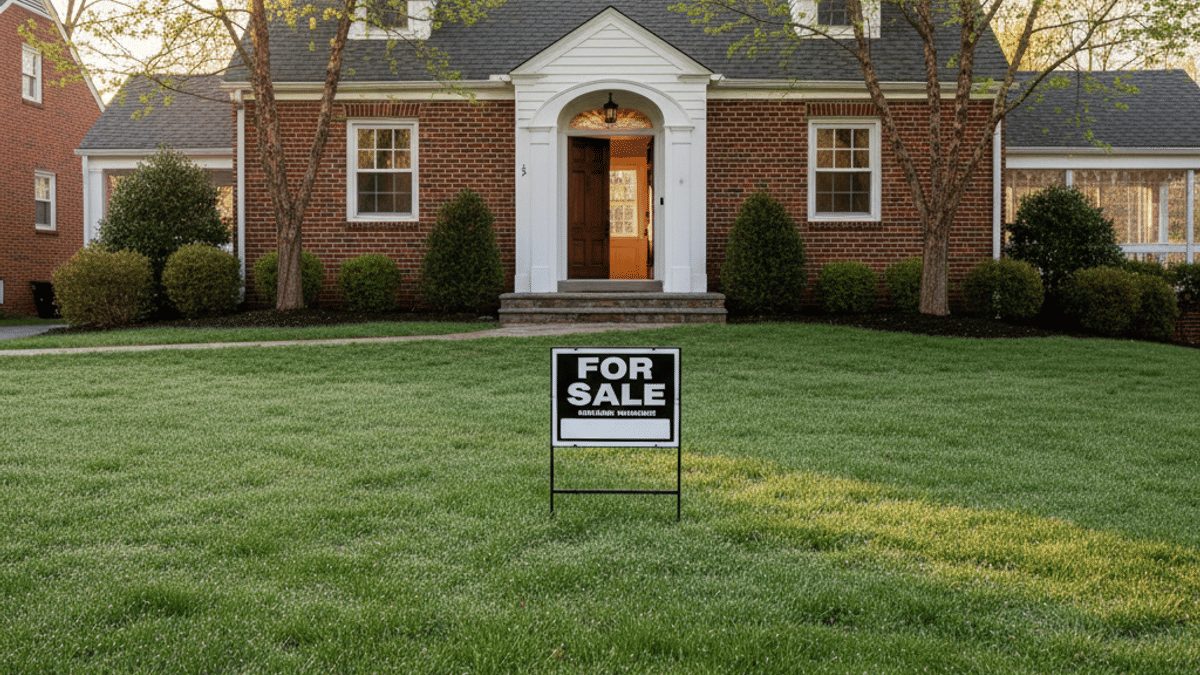
Yard signage matters in college towns. Students relay listings to parents with checkbooks. Choose a sign with a QR code that leads to a mobile-first site.
Host an afternoon preview for nearby homeowners one day before the public open house. They will tell friends at work and on Nextdoor. Yes, they can be nosy. Nosy people talk.
Lean on a guide who knows every block
A licensed buddy from Saint Louis cannot market like a Boone County professional. Local agents track shadow inventory, chat with appraisers over coffee, and know which photographers capture the golden side of your elevation. Interview three. Ask for average list-to-sale ratios and days on market over the last twelve months. Choose the one who answers without rummaging through a folder.
The Mistakes Columbia Sellers Keep Repeating
Overpricing
You read about bidding wars in 2021 and think they never left. Rates doubled since then. Buyers got cautious. Price it right from day one.
Hanging on to personal style
Buyers need a blank slate. That crimson dining wall might match your favorite jersey but it photographs like a stop sign. Roll on neutral paint.
For-sale-by-owner expectations
You pocket the commission. Brilliant. Except you also handle calls, showings, escrow, and legal forms. FSBO listings here average twenty-three percent fewer showings and close at lower prices after fees. Pays to have a pro.
Negotiation jitters
Columbia contracts run eighteen pages plus addenda. Inspection notices, HOA disclosures, radon reports. A sloppy reply can cost you days then sink the deal. Know the timelines or hire someone who lives them daily.
Ready To Make A Move?
You now hold a blueprint that works in this market. Map the timeline, tune curb appeal, fix what scares inspectors, price with precision, then flood every channel with smart marketing. Do that and you will join the sellers who slid from listing to closing before their spring tulips faded. Questions? Reach out today, grab a coffee, and let’s unlock your next chapter.