Columbia MO Housing Market: Prices, Trends, and Forecasts for 2026
The Columbia, Missouri housing market has entered 2026 with steady fundamentals and a trajectory that continues to favor long-term buyers. Median home prices have appreciated consistently over the past several years, inventory remains limited, and the economic anchors that sustain demand, namely the University of Missouri, the healthcare sector, and a growing roster of corporate employers, show no signs of weakening. Understanding where the market stands right now, and where it appears to be heading, is essential whether you are buying your first home, upgrading, or considering a sale.
Columbia occupies an interesting position among Midwestern housing markets. It has the demand drivers of a much larger city, including a major research university with 30,000-plus students, a regional hospital system, and significant corporate headquarters, but it retains the pricing and pace of a mid-sized community. That combination creates opportunities that do not exist in more competitive markets, though buyers still need to come prepared with financing in place and a clear understanding of neighborhood-level dynamics.
Current Market Snapshot
As of early 2026, the median home price in Columbia falls between approximately $302,000 and $350,000, depending on the data source. Redfin reports a median sale price of $350,000, reflecting 11.1% year-over-year appreciation. Zillow’s Home Value Index places the average at $302,656, up 3.0% over the past year. These figures reflect different methodologies, but both confirm a market that continues to appreciate at a healthy pace.
Homes are spending an average of 35 days on market, a significant decrease from 65 days at the same time last year. That acceleration indicates stronger buyer engagement and a market that rewards sellers who price correctly from the start. Properties in the $250,000 to $400,000 range, which represents the bulk of Columbia’s inventory, tend to move fastest.
The sale-to-list price ratio has tightened, with most homes selling at or near asking price. Bidding wars remain less common than in coastal markets, but well-priced homes in top neighborhoods like Old Southwest, Thornbrook, and Green Meadows frequently receive multiple offers within the first two weeks of listing.
Price Trends Over the Past Five Years
Columbia’s housing market has appreciated steadily since 2020, with the pandemic-era surge adding approximately 25% to 30% to median values between 2020 and 2023. That pace has since moderated to a more sustainable 3% to 5% annual appreciation in 2024 and 2025, with early 2026 data suggesting continued momentum in that range.
The moderation is healthy. Markets that grow too quickly often correct sharply, while Columbia’s current trajectory reflects genuine demand supported by population growth, job creation, and limited new construction relative to that demand. Price forecasts for 2026 from multiple sources project 2% to 4% additional appreciation through year-end, which would place the median sale price near $320,000 to $365,000 by December.
Importantly, Columbia has not experienced the kind of speculative buying that drives bubbles in faster-moving markets. The typical buyer in Columbia is an owner-occupant, not an investor flipping properties. That fundamentals-driven demand provides a more stable foundation for long-term price growth.
Inventory and Supply
Inventory remains tight across Columbia. Active listings have increased modestly from their pandemic-era lows, but total supply still falls short of what a balanced market would require. The months-of-supply metric, which measures how long current inventory would last at the present sales pace, sits below four months in most price bands. A balanced market typically shows six months of supply.
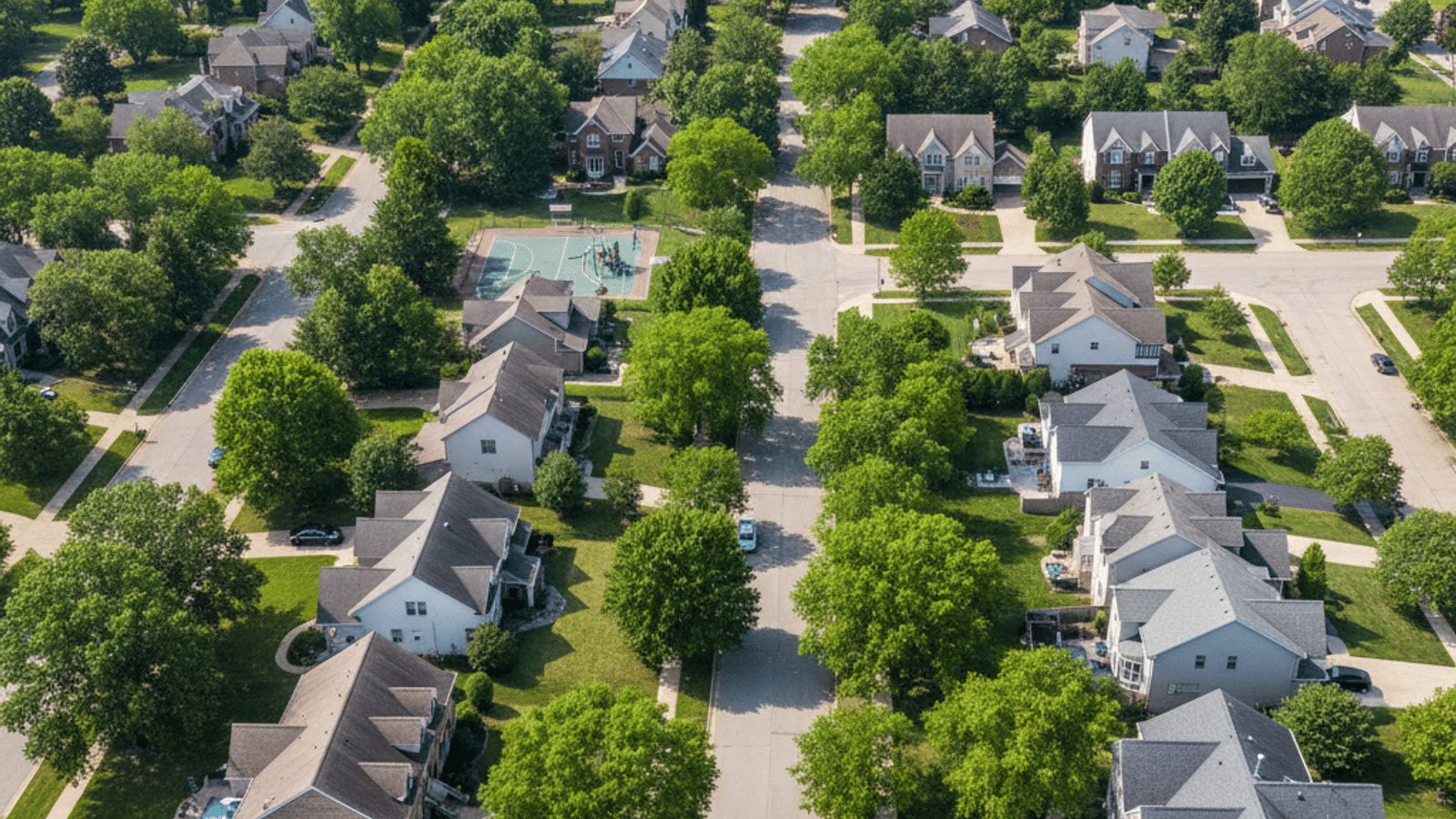
New construction has picked up on the south and west sides of the city, with subdivisions like Grasslands, Bluff Creek, and portions of southwest Columbia adding inventory. However, new builds carry price premiums that place them above the median, meaning the entry-level and mid-range segments remain supply-constrained.
Sellers who are considering listing should take note of the current conditions. With inventory this limited, well-prepared homes attract serious attention quickly. Our guide to selling your home in Columbia covers pricing strategy, preparation tips, and what to expect from the listing process.
Neighborhood-Level Market Dynamics
City-wide averages tell only part of the story. Columbia’s individual neighborhoods each have their own micro-market with distinct pricing, pace, and buyer demographics.
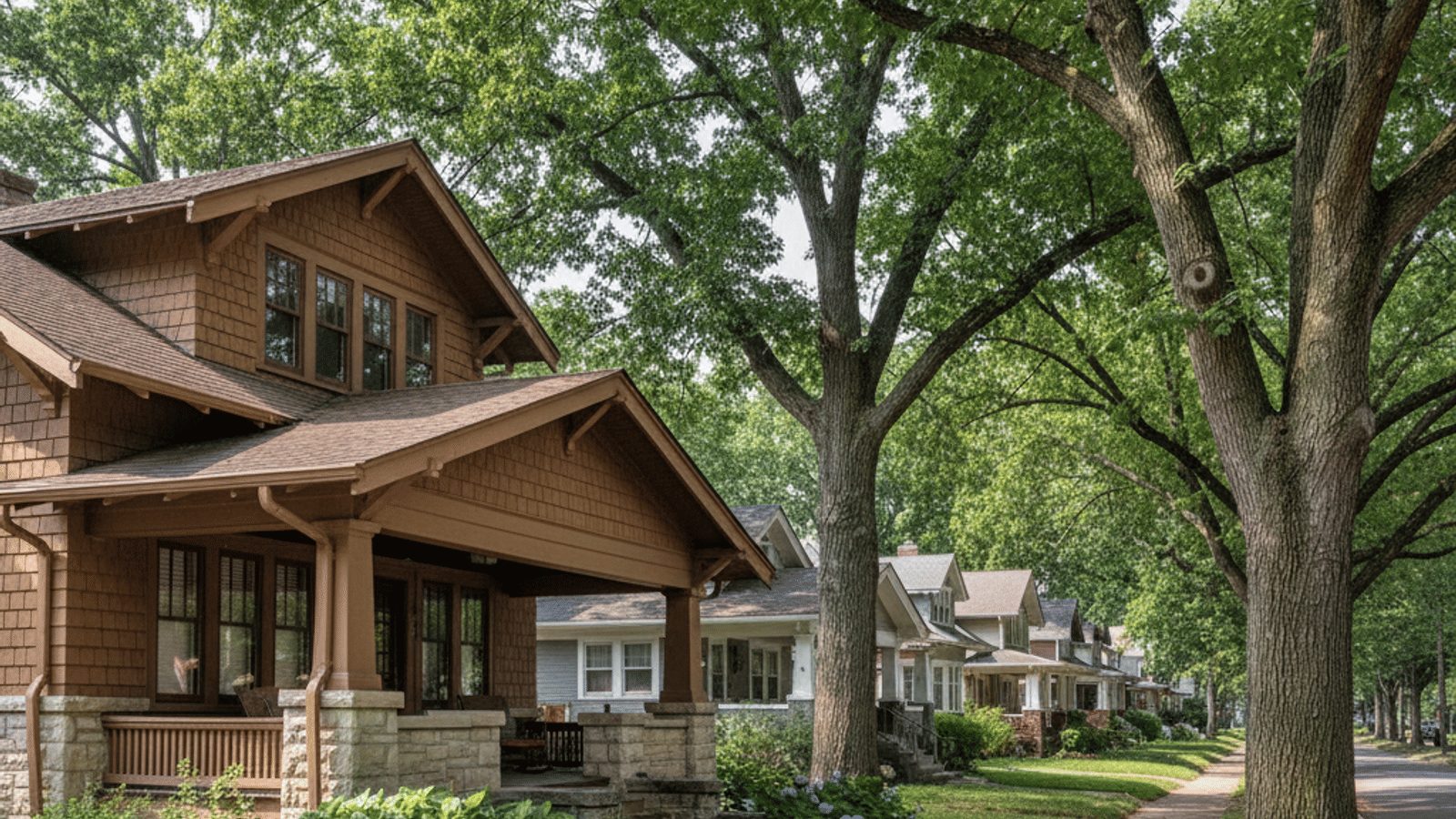
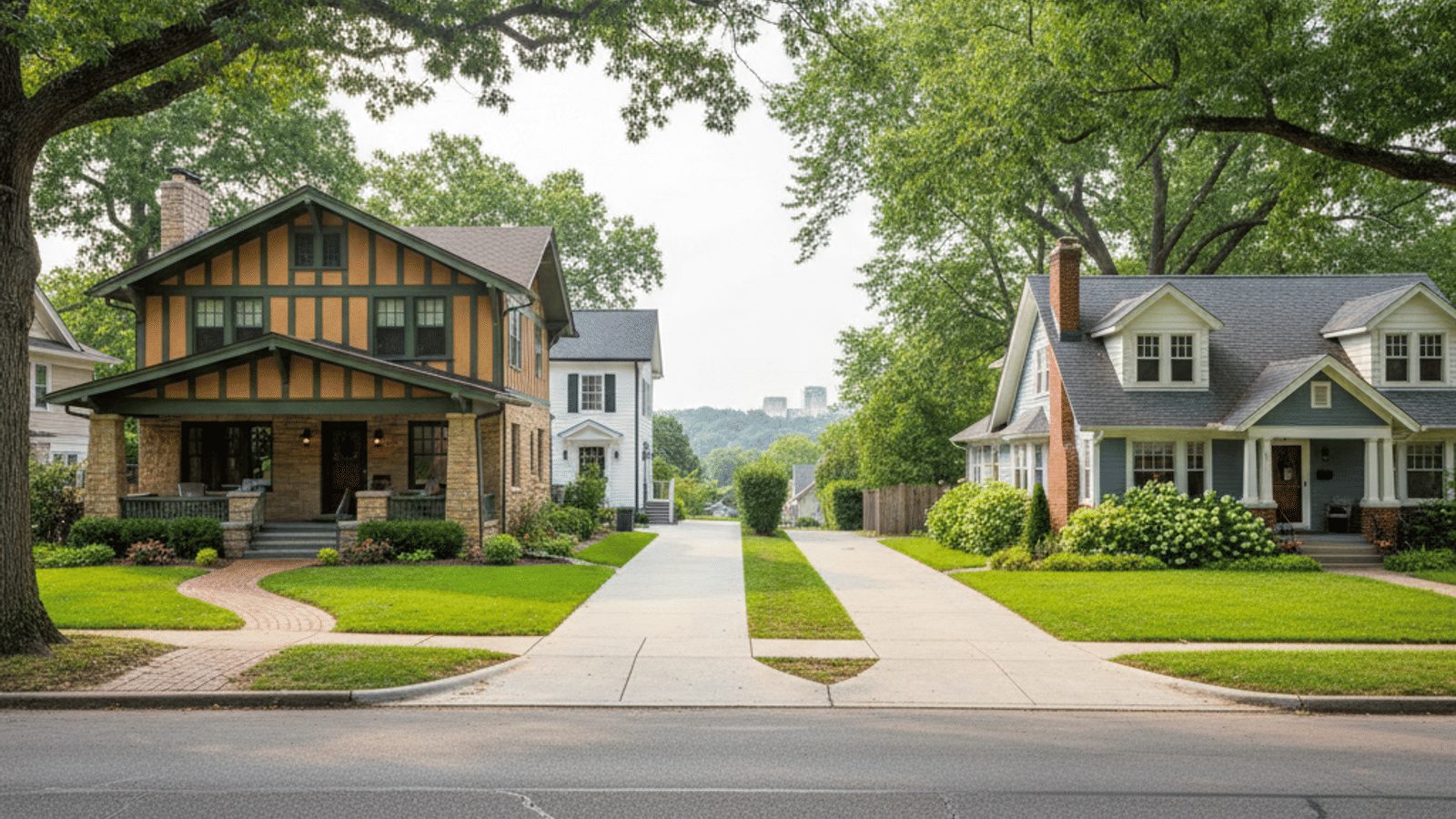
Old Southwest commands some of the highest per-square-foot prices in the city due to its walkability, character, and school access. Homes here rarely sit on the market for more than three weeks when priced correctly. Thornbrook prices reflect the premium for newer construction and community amenities, with strong demand from relocating families. Benton-Stephens offers the most affordable entry points in central Columbia, with prices starting below $200,000 for smaller homes.
Green Meadows and The Highlands occupy the middle tier, with median prices around $350,000 to $400,000 and steady demand from families drawn to the Rock Bridge school zone. Newer communities like Grasslands and Bluff Creek are commanding $400,000 or more for new builds, reflecting buyer willingness to pay for modern floor plans and energy efficiency.
Understanding these differences is essential for both buyers and sellers. Our detailed breakdown of the best neighborhoods in Columbia covers pricing, school zones, and lifestyle factors for each major area.
What Buyers Need to Know
Buying in Columbia’s current market requires preparation and speed. Mortgage pre-approval is not optional; it is a prerequisite. Sellers and their agents expect offers to come with financing verification attached, and cash offers or pre-approved buyers will always receive priority in competitive situations.
First-time buyers should explore homebuyer assistance programs before beginning their search. The City of Columbia offers up to $10,000 in forgivable loans for qualifying buyers, and the Missouri Housing Development Commission provides below-market interest rates and cash assistance through the First Place Loan Program. These programs can meaningfully reduce your out-of-pocket costs at closing.
Interest rates remain a key variable. While rates have stabilized somewhat from recent highs, monthly payments remain elevated compared to 2020 and 2021. Buyers should model their affordability at current rates rather than waiting for a rate environment that may not materialize. Properties purchased now will benefit from the ongoing appreciation trend, and refinancing opportunities may arise later if rates decline.
What Sellers Need to Know
Sellers in Columbia’s current market hold significant leverage, but that does not mean preparation is unnecessary. Homes that are priced correctly from the start, professionally photographed, and marketed across multiple channels consistently outperform those that are listed with a “let’s see what happens” approach.
The most common mistake sellers make in a low-inventory market is overpricing. While demand is strong, buyers are well-informed and will walk past listings that appear overvalued relative to comparable sales. Strategic pricing, slightly below what you believe the market will bear, often generates multiple offers and drives the final sale price above initial expectations.
Condition matters as well. Pre-listing inspections can identify issues that would otherwise surface during buyer due diligence and derail negotiations. Addressing deferred maintenance, updating cosmetic elements, and ensuring curb appeal all contribute to a faster sale at a higher price.
Investment Outlook
Columbia presents a solid case for real estate investment. The University of Missouri’s enrollment creates consistent rental demand, particularly near campus and in downtown-adjacent neighborhoods. Healthcare workers, military families, and young professionals add further depth to the renter pool.
Cap rates in Columbia are competitive for the Midwest, particularly in the sub-$300,000 property segment. Multi-family properties near campus, duplexes in Benton-Stephens and East Campus, and single-family rentals in established neighborhoods all offer viable investment structures. Long-term appreciation adds to the total return profile.
Investors should work with a local agent who understands rental market dynamics, tenant screening, and the regulatory environment in Columbia. Cheryl Maupin and The Milestone Group serve investors alongside owner-occupants, providing market insight that supports informed acquisition decisions.
How Interest Rates Affect Columbia Buyers
Mortgage interest rates shape affordability more than any other single factor. At current rates, a buyer purchasing a $325,000 home with 10% down would face a monthly principal and interest payment of approximately $1,900 to $2,050, depending on the exact rate and loan term. Adding taxes, insurance, and any HOA fees brings total housing costs to roughly $2,300 to $2,500 per month.
Columbia’s relatively low price point compared to national medians means that rate fluctuations have a smaller dollar impact here than in higher-cost markets. A 0.5% rate increase adds roughly $90 to $100 per month on a typical Columbia purchase, compared to $150 or more on a $500,000 property in a more expensive market.
Buyers who are waiting for rates to drop before purchasing should weigh that potential savings against the ongoing appreciation in home values. A 3% annual price increase on a $325,000 home adds $9,750 to the purchase price over 12 months, which could easily exceed the savings from a modest rate decline.
Seasonal Patterns in the Columbia Market
Like most Midwestern markets, Columbia follows seasonal patterns that savvy buyers and sellers can leverage. Spring and early summer bring the highest volume of listings and sales, with families looking to move before the school year starts. Competition tends to peak between March and June, which can push prices higher in desirable neighborhoods.
Fall and winter bring fewer listings but also less competition. Buyers who are flexible on timing can sometimes find better deals during the off-peak months, as sellers who list in November or December are often motivated and willing to negotiate. The trade-off is a smaller selection of available properties.
Understanding these patterns helps both buyers and sellers optimize their timing. A knowledgeable local agent can advise on whether current conditions favor waiting for a seasonal shift or moving quickly on available inventory.
Working with a Local Agent
The Columbia market moves fast enough that having a knowledgeable, responsive agent is not a luxury, it is a necessity. The best real estate agents in Columbia bring neighborhood expertise, lender relationships, and negotiation skills that directly affect your outcome. Our Columbia community page provides an overview of the areas we serve and current market activity.
For more on what makes Columbia a strong place to buy and live, explore our guide to living in Columbia and our first-time buyer resource.
Frequently Asked Questions
Is the Columbia MO housing market going up or down?
Home prices in Columbia have been rising steadily. Year-over-year appreciation ranges from 3% to 11% depending on the data source. Forecasts for 2026 project continued growth in the 2% to 4% range, supported by strong demand and limited inventory.
What is the median home price in Columbia, MO?
As of early 2026, the median home price falls between approximately $302,000 and $350,000. The variation reflects different data methodologies, but all sources confirm an upward trend.
How long do homes stay on the market in Columbia?
Homes are currently averaging about 35 days on market, down from 65 days at the same point last year. Well-priced homes in popular neighborhoods often sell within two to three weeks.
Is Columbia a buyer’s or seller’s market?
Columbia is currently a seller’s market due to limited inventory and steady buyer demand. Months of supply sits below four months, well below the six-month threshold for a balanced market.
Are home prices in Columbia affordable?
Columbia’s median home price sits below the national median, and the overall cost of living runs about 10% below the national average. These factors make Columbia one of the more affordable university towns in the Midwest.
Should I buy now or wait for rates to drop?
Waiting carries risk. Home values continue to appreciate at 3% to 5% annually, meaning a delayed purchase could cost more in higher prices than you would save from a modest rate reduction. Most financial advisors recommend buying when you find the right property at a price you can afford, then refinancing if rates improve later.