Ultimate Guide to Columbia MO: Everything You Need to Know Before Moving
Columbia, Missouri occupies a unique position among mid-sized American cities. Sitting at the geographic center of the state along the I-70 corridor, roughly equidistant between Kansas City and St. Louis, it has grown into a community of more than 130,000 residents who benefit from an unusually strong combination of affordability, economic stability, and cultural depth. The city consistently appears on national rankings for quality of life, and the reasons become clear once you dig into the numbers.
What draws people to Columbia varies widely. Some arrive for the University of Missouri and never leave. Others are drawn by the healthcare industry, the low cost of living, or the kind of small-city charm that lets you run into neighbors at the grocery store without sacrificing access to good restaurants, live music, and well-funded public schools. This guide covers every angle you need to evaluate before making your move, whether you plan to buy your first home or relocate from a larger metro area.
Why Columbia Stands Out in the Midwest
Columbia earned its nickname as the “Athens of Missouri” for good reason. The city is home to three institutions of higher education: the University of Missouri, Stephens College, and Columbia College. MU alone enrolls more than 30,000 students and employs nearly 12,000 people, making it the single largest employer in the region. That academic foundation fuels a knowledge-based economy with unusually low unemployment, which has hovered near 2.4% in recent years.
Beyond education, the healthcare sector drives significant job growth. MU Health Care operates a network of hospitals and clinics across central Missouri, and Boone Health provides additional capacity. Veterans United Home Loans, headquartered in Columbia, has grown into one of the nation’s largest VA lenders and employs thousands locally. Shelter Insurance and MFA Oil add corporate diversity. The result is an economy that does not lean too heavily on any single sector, which insulates residents from the boom-and-bust cycles that plague many similarly sized cities.
Cost of Living and Household Budgets
One of Columbia’s strongest selling points is affordability. The overall cost of living runs approximately 10% below the national average, with housing costs sitting about 19% lower than the U.S. median. A single person can expect monthly expenses around $2,435, while a family of four typically spends about $5,362 per month.
Groceries cost roughly 3% less than the national average, and utilities run about 4% below the national figure. Transportation costs stay low thanks to a compact city layout. The average one-way commute in Columbia is just 16.5 minutes, compared to 26.4 minutes nationally. That time savings translates directly into quality of life and lower fuel costs. For a deeper look at day-to-day expenses and what to expect, our guide to living in Columbia breaks down the numbers in detail.
Columbia’s Best Neighborhoods
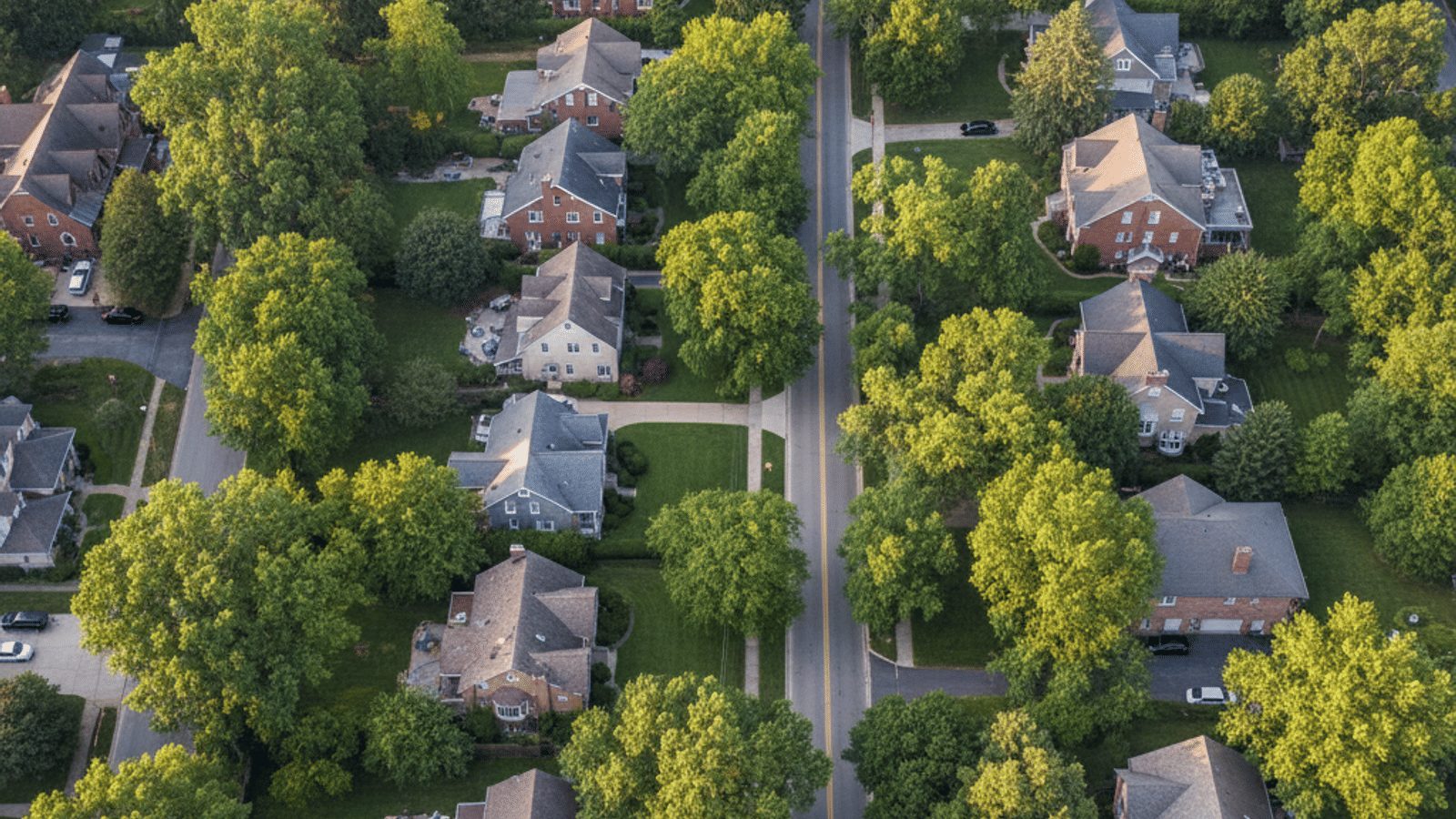
Columbia offers a wide range of neighborhoods, each with its own personality, price range, and trade-offs. Choosing the right one is arguably the most important decision in the home-buying process.
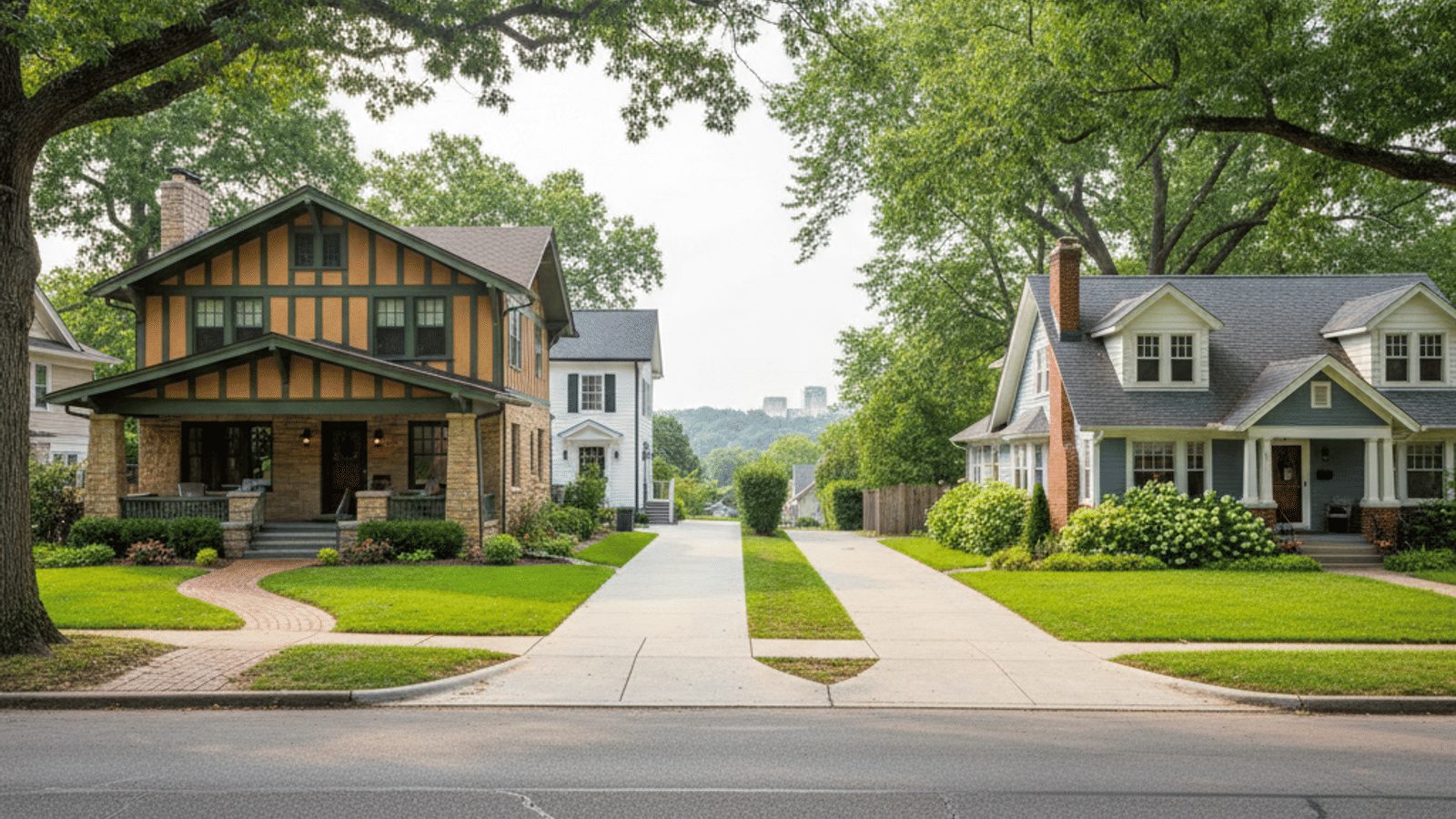
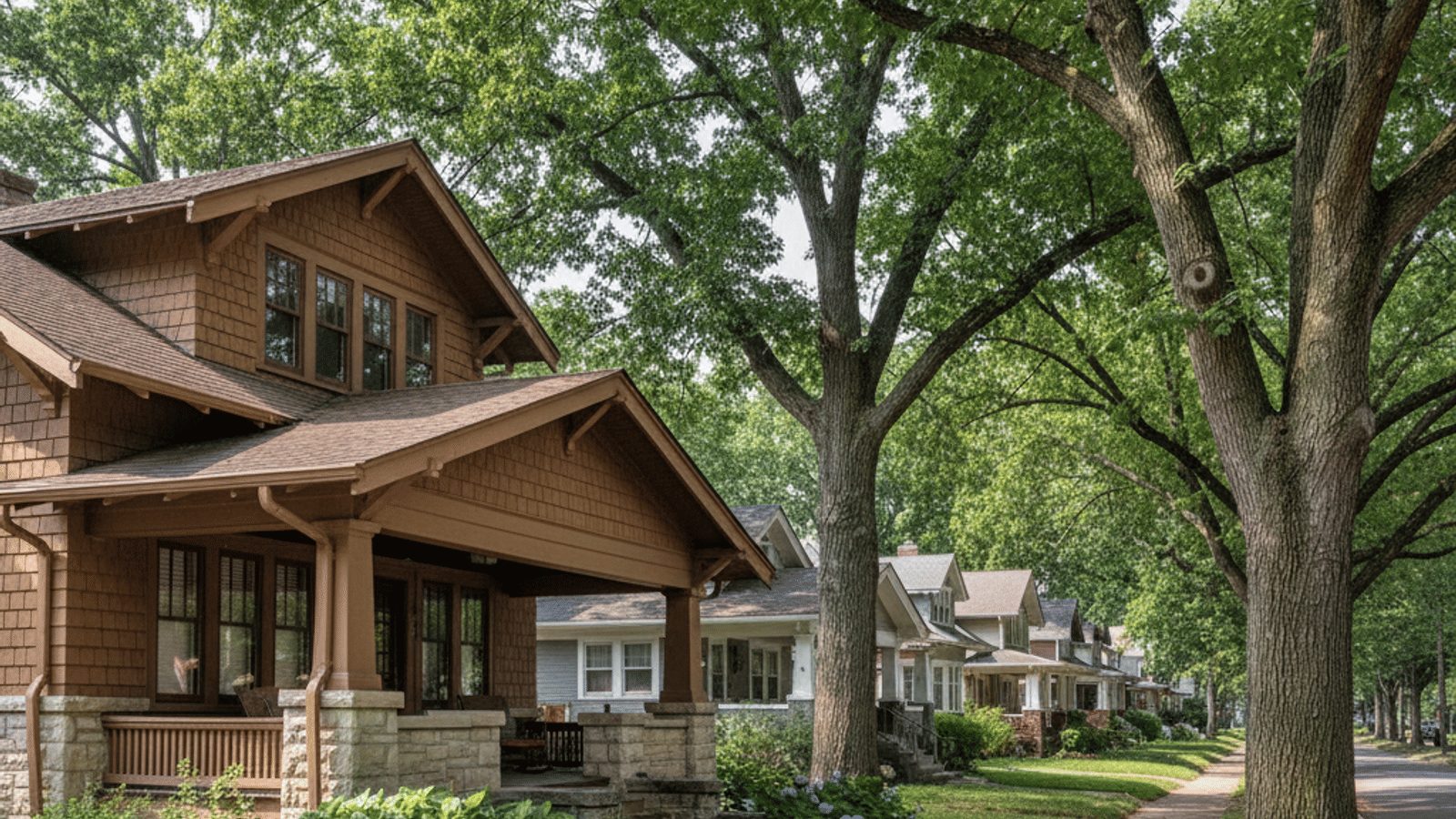
Old Southwest remains Columbia’s most beloved residential area. Tree-lined streets, craftsman bungalows, and Tudor-style homes define the character. Proximity to downtown, Hickman High School, and the MKT Trail makes it a consistent top pick for families and professionals. Homes here typically range from the upper $200s to $500,000 depending on size and condition.
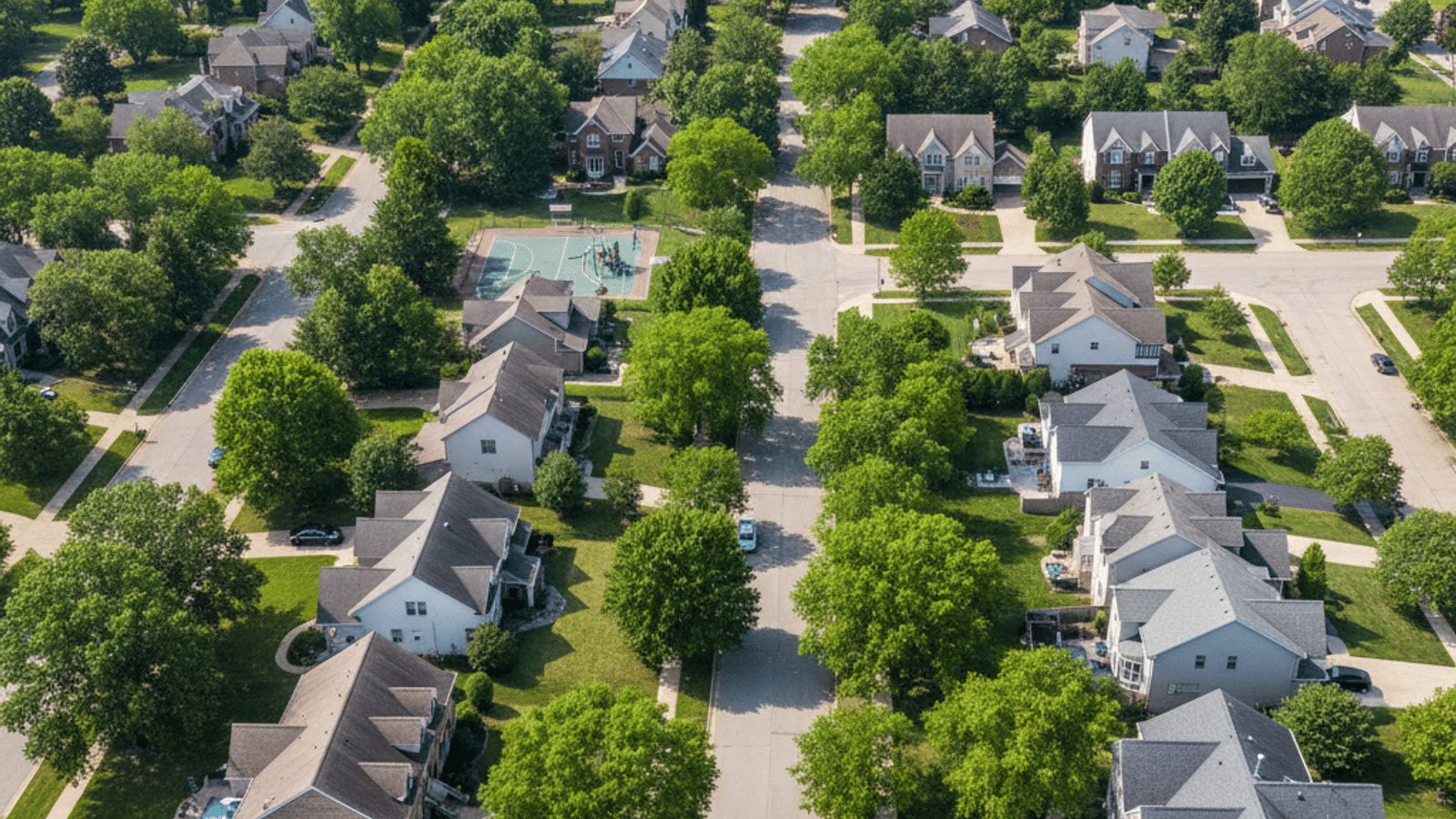
Thornbrook sits in southwest Columbia and represents the premium choice for families seeking newer construction. With more than 500 homes, a community pool, annual neighborhood events, and strong school access, it has become one of the most sought-after addresses in the city. Expect prices from $350,000 to well over $500,000.
Benton-Stephens offers one of the most walkable experiences in Columbia. Situated just north of downtown and bordered by two hospitals, this neighborhood attracts healthcare workers, young professionals, and families who want character homes at accessible price points. Many properties here fall in the $180,000 to $300,000 range.
Green Meadows provides a suburban feel with mature trees, large lots, and easy access to parks and trails. The median single-family home price sits around $370,000, offering solid middle-ground value. The Highlands and Bedford Walk round out the top choices, each offering strong schools and family-friendly amenities. Explore all of these areas in our full breakdown of the best neighborhoods in Columbia.
The Columbia Housing Market
The real estate market in Columbia has entered 2026 with steady momentum. Median home prices range from approximately $302,000 to $350,000 depending on the data source, reflecting year-over-year appreciation between 3% and 11%. Homes are spending an average of 35 days on the market, down from 65 days a year ago. That acceleration signals strong buyer demand against limited inventory.
New construction has picked up in subdivisions on the south and west sides of the city, but supply has not caught up with demand. Buyers should expect competition in the most popular neighborhoods, particularly for move-in-ready homes priced between $250,000 and $400,000. That said, Columbia remains far more accessible than comparably sized university towns across the country.
Interest rate fluctuations continue to shape buying power. Working with a knowledgeable local agent who can move quickly when the right property appears is more important than ever. For the latest data on pricing trends, inventory levels, and what to expect as a buyer or seller, read our Columbia housing market overview.
Schools and Education
Columbia Public Schools serves the city with a well-regarded network of elementary, middle, and high schools. The district’s two flagship high schools, Rock Bridge and Hickman, both earn strong ratings and offer robust AP programs, competitive athletics, and active extracurricular communities.
Rock Bridge High School holds an A rating on Niche with a 95% graduation rate. Hickman High School earns an A-minus rating and draws families to the Old Southwest and downtown areas. Both schools feed from well-regarded elementary and middle schools, giving families continuity from kindergarten through graduation.
Beyond K-12, the University of Missouri offers world-class research facilities, Division I athletics, and a campus culture that energizes the entire city. Stephens College and Columbia College expand the higher education landscape with additional programs ranging from performing arts to business.
Recreation, Culture, and Things to Do
Columbia punches above its weight culturally. The True/False Film Fest draws documentary filmmakers and audiences from across the country every spring. Roots N Blues N BBQ Festival fills the fall with live music and regional food. The Missouri Theatre, a restored 1928 venue, hosts touring acts and community performances year-round.
The District, spanning roughly 50 blocks of downtown Columbia, houses more than 600 businesses including locally owned restaurants, boutiques, and coffee shops. Shakespeare’s Pizza, Booches, and CC’s City Broiler have become institutions in their own right.
Outdoor recreation is baked into daily life. The MKT Trail connects to the Katy Trail State Park, one of the longest rail-trails in the country. Rock Bridge Memorial State Park offers hiking through forests and past natural rock formations just minutes from town. Stephens Lake Park, Cosmo Park, and the city’s extensive greenway system provide running paths, playgrounds, sports fields, and fishing spots.
Buying Your First Home in Columbia
First-time buyers in Columbia benefit from both local and state-level assistance programs that reduce the upfront cost of homeownership. The City of Columbia Homeownership Assistance Program provides up to $10,000 in the form of a zero-interest, forgivable 10-year loan for down payment and closing costs. Eligibility is limited to first-time buyers, displaced homemakers, and single parents whose household income does not exceed 80% of the area median income.
At the state level, the Missouri Housing Development Commission runs the First Place Loan Program, which offers below-market interest rates and cash assistance of up to 4% of the loan amount for down payment and closing costs. The Next Step Program extends similar benefits to repeat buyers. Full details on every available program can be found in our guide to homebuyer assistance programs in Columbia.
If you are navigating the home-buying process for the first time, our first-time home buyer guide for Columbia walks through every step from mortgage pre-approval through closing day. A qualified local agent can also help you identify which programs apply to your situation and coordinate with participating lenders.
Selling a Home in Columbia
Sellers in Columbia’s current market benefit from tight inventory and steady buyer demand. Homes that are priced correctly and presented well are moving in about five weeks on average. Strategic pricing, professional photography, and targeted marketing all contribute to maximizing your sale price and minimizing time on market.
If you own a home in Columbia and are considering a sale, preparation is key. Understand your home’s current market value, factor in any needed repairs or updates, and choose an agent with a strong track record in your neighborhood. Our guide to selling your home in Columbia covers the full process from listing preparation through closing.
Working with a Local Real Estate Agent
The difference between a smooth transaction and a stressful one often comes down to the agent you choose. Cheryl Maupin and The Milestone Group have served Boone County for more than 15 years, closing over $80 million in sales and working with more than 100 clients across Columbia, Ashland, Hallsville, Fulton, and Holts Summit.
Local expertise matters because Columbia’s market has distinct neighborhood-level dynamics that regional or national agents may miss. An agent who knows which streets flood, which subdivisions have HOA restrictions, and which school zones drive premiums will save you time and money on both sides of a transaction. Learn more about choosing the best real estate agent in Columbia or explore all of the communities The Milestone Group serves on our Columbia community page.
Frequently Asked Questions
Is Columbia, MO a good place to live?
Columbia consistently ranks among the best places to live in Missouri. Its affordable cost of living, strong job market driven by the University of Missouri and healthcare sector, excellent public schools, and vibrant cultural scene deliver a quality of life that rivals much larger cities.
What is the average home price in Columbia, MO in 2026?
The median home price in Columbia ranges from approximately $302,000 to $350,000 as of early 2026. Year-over-year appreciation has run between 3% and 11% depending on the data source and property type.
What are the best neighborhoods in Columbia for families?
Old Southwest, Thornbrook, Green Meadows, The Highlands, and Bedford Walk are among the top picks for families. Each offers strong school access, safe streets, and a mix of housing styles.
How is the job market in Columbia?
Columbia’s economy is anchored by the University of Missouri, MU Health Care, Veterans United Home Loans, and Shelter Insurance. The unemployment rate sits well below the national average, and the city continues to attract employers in healthcare, technology, and financial services.
Are there down payment assistance programs for Columbia home buyers?
Yes. The City of Columbia Homeownership Assistance Program offers up to $10,000 in forgivable loans. The Missouri Housing Development Commission provides statewide programs with below-market interest rates and up to 4% cash assistance for down payment and closing costs.
What is the cost of living in Columbia, MO?
The overall cost of living is about 10% below the national average. Housing costs run approximately 19% lower than the U.S. median. A single person can expect monthly expenses around $2,435, and a family of four typically spends about $5,362 per month.